
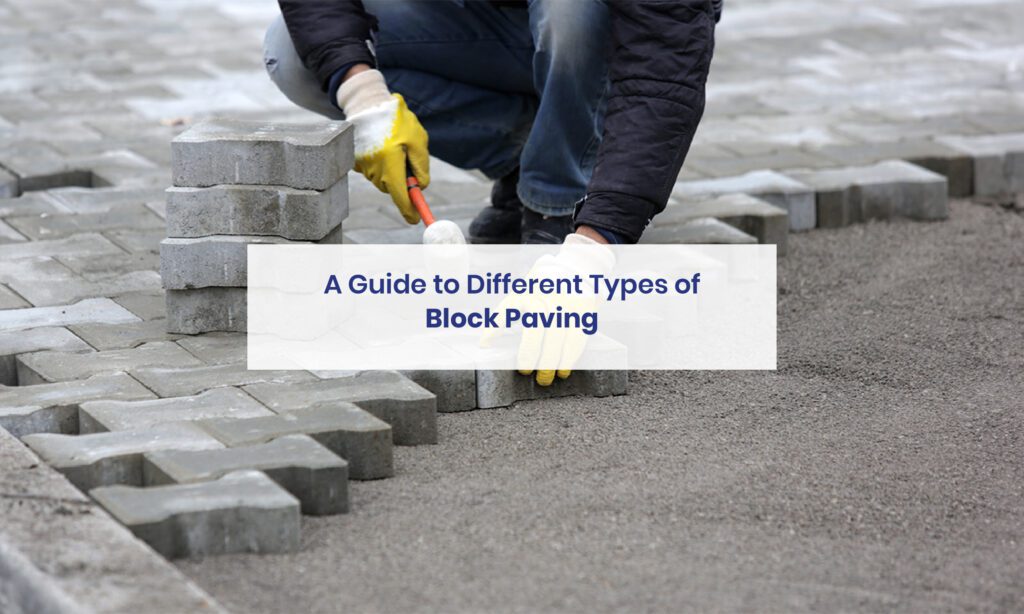
Developers and homeowners are switching from plain concrete to paver blocks when building driveways, walkways, and parking areas. The simple reason is that paver blocks solve the old problems that refuse to go away with plain concrete, like cracked driveways after one monsoon, waterlogging near entrances, uneven surfaces, and costly full-slab repairs when just a section fails.
Paver blocks’ interlocking system distributes the load evenly, which reduces the surface cracking under vehicle pressure. The joints allow for slight movement, preventing the structural damage caused by temperature variation or soil settlement. The compliance and their strength reliability are other reasons for their growing use. Only M30, M35, M40, M50, or M55 grades are permitted as per Bureau of Indian Standards guidelines under IS Code 15658:2006 for manufacturing paving blocks.
So, if you are thinking of using paver blocks, then this blog explains different types of paver blocks, standard size and shapes, installation, and their benefits.
What is a Paver Block?
A paver block is a solid, pre-fabricated surface unit that may be laid alongside other similar units to create a solid, flat, and smooth flooring that resembles numerous small puzzle pieces.
Types of Pavement Blocks
The following are some of the most common types of pavement blocks that are used in India and their respective applicable use locations:
Relatable: What Is AAC Block & Why It’s The Future Of Construction?
Concrete Paving Block
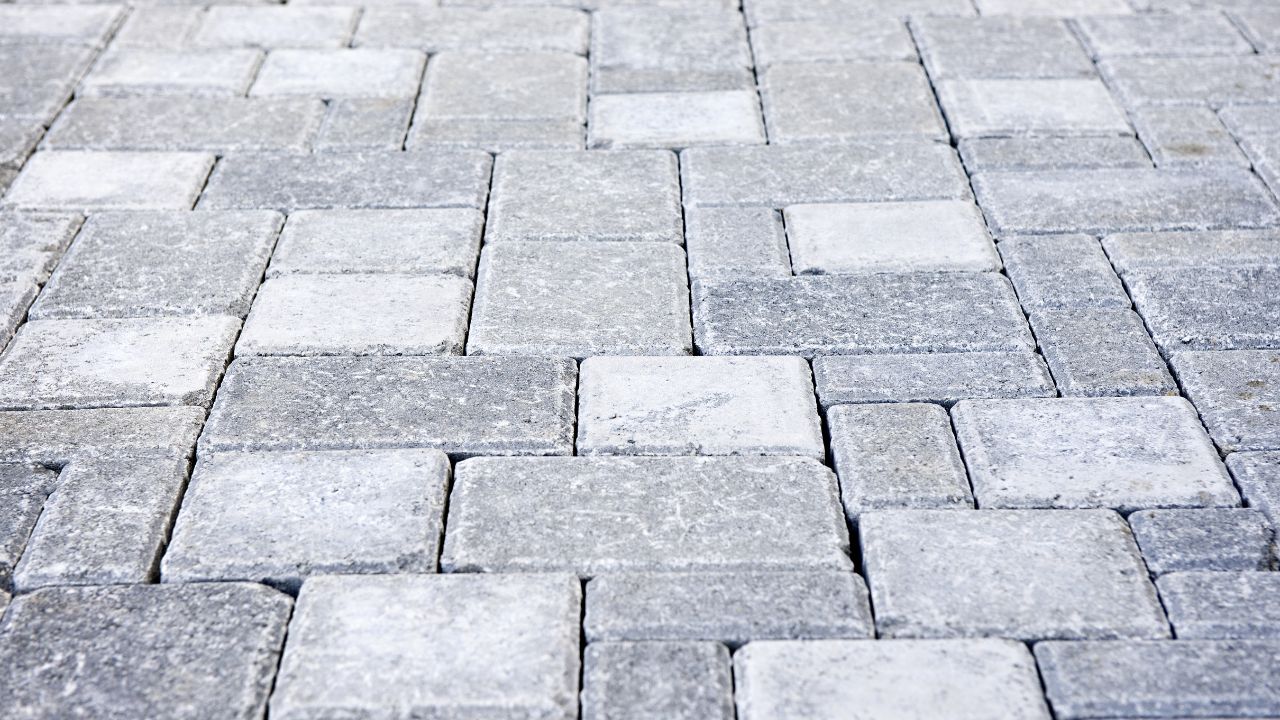
Concrete pavers were fabricated with extremely high levels of compression forces to produce a concrete block and were manufactured in compliance with IS 15658: 2006 and had a minimum compressive strength of 35 N/mm² to utilise in non-traffic and low-traffic area applications (pedestrian pathways, residential driveways, etc.).
Clay Paving Blocks
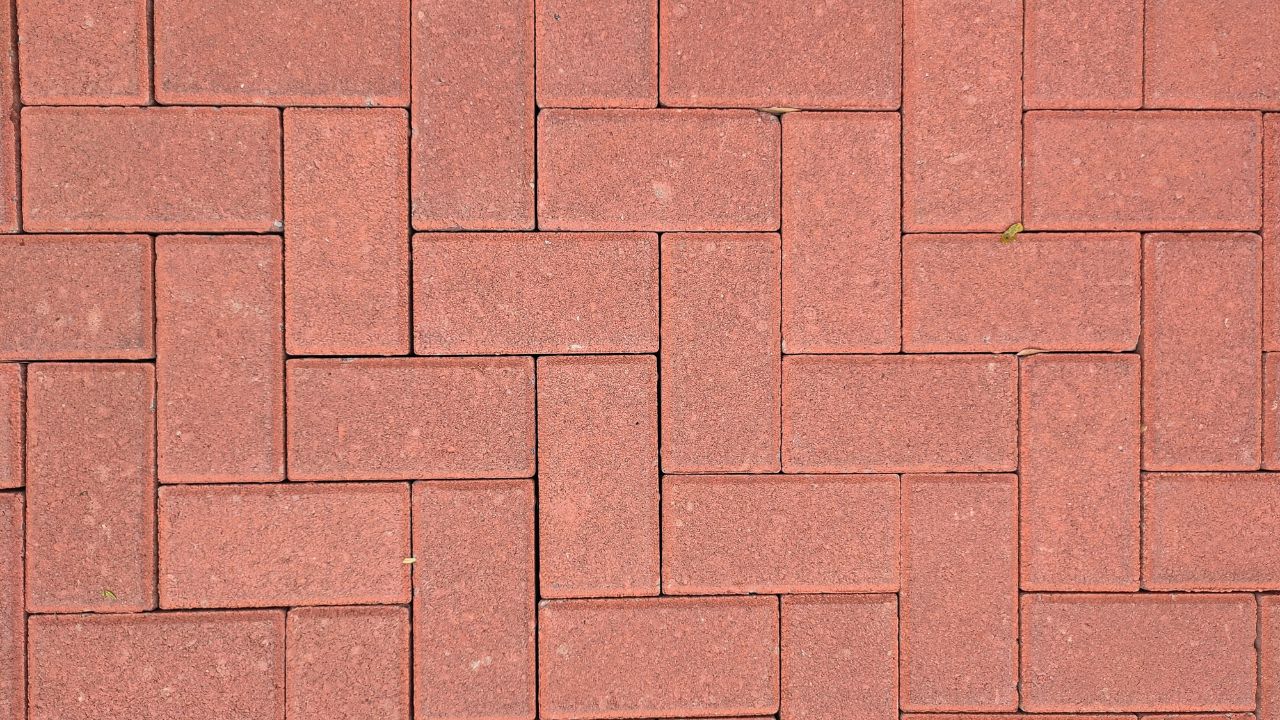
The clay paver block is produced through burning the clay material at a high temperature above 1000°C and 1300°C using a kiln. The clay paver block gives better traction compared to the concrete block. For this reason, the clay block is used in garden pathways and courtyards.
Plastic Paver Blocks
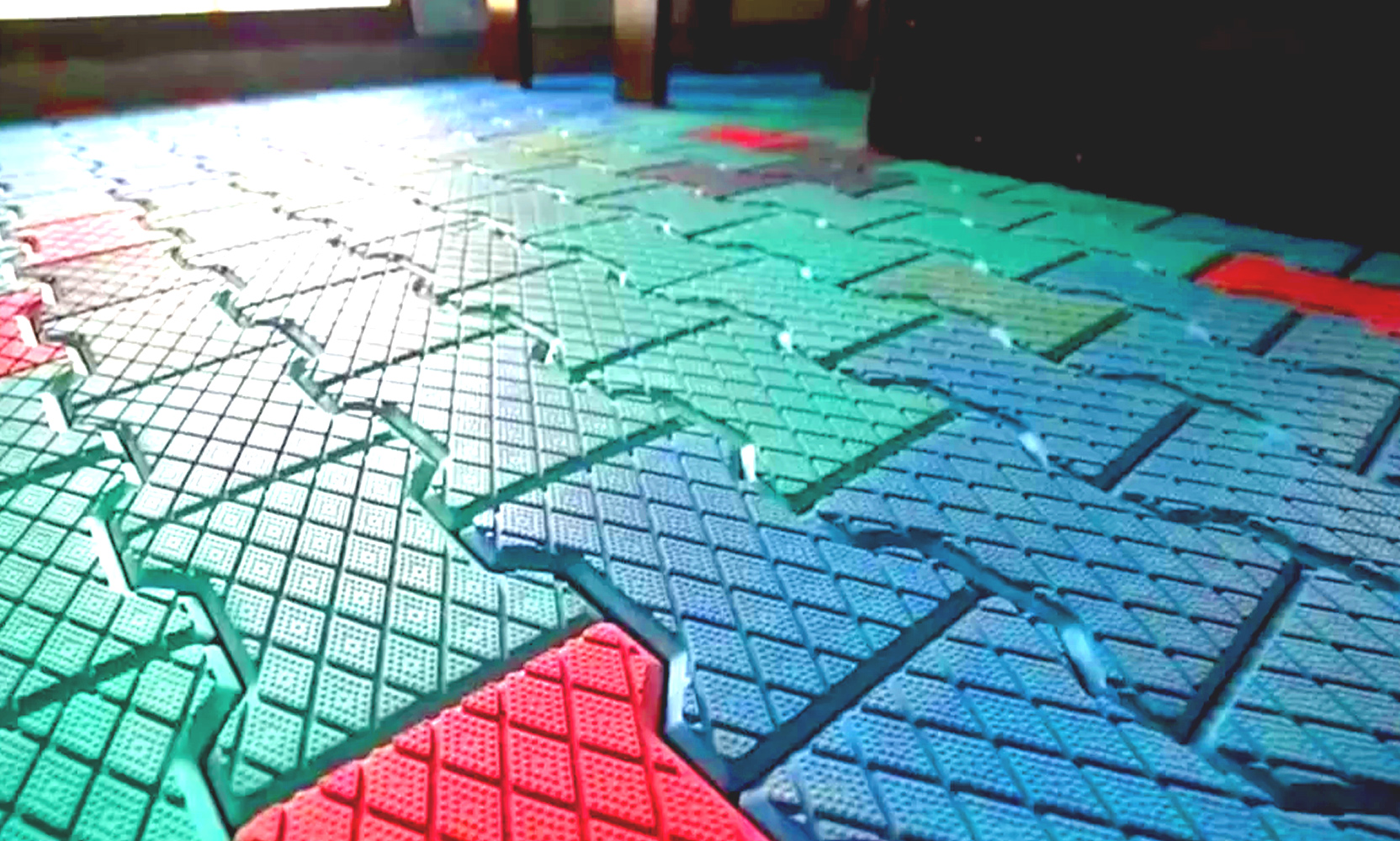
The plastic paver block is fabricated from recycled plastics. The plastic paver block is lightweight and water-resistant. As a result of these two characteristics, plastic paver blocks are usually utilised in terraces and pedestrian walkways that are subjected to low volumes of traffic.
Stone Paver Blocks
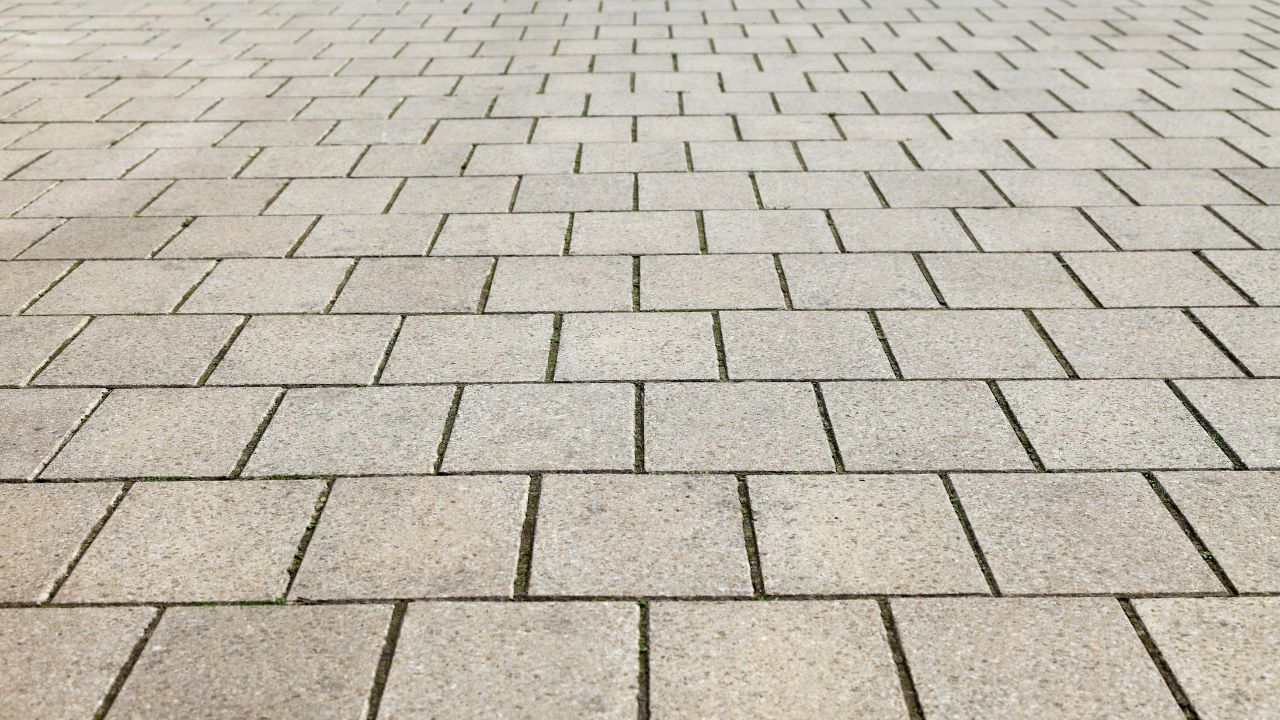
Stone paver blocks are created by saw cutting granite, sandstone, or basalt. Typically, a granite load-bearing capability is greater than 100 N/mm². Therefore, the load-bearing capability of stone paver blocks is substantially higher than the load-bearing capabilities of regular concrete paver blocks, which generally range between 35 – 50 N/mm². Stone paver blocks are ideally suited for premium driveway and entranceway construction.
Rubber Paver Blocks
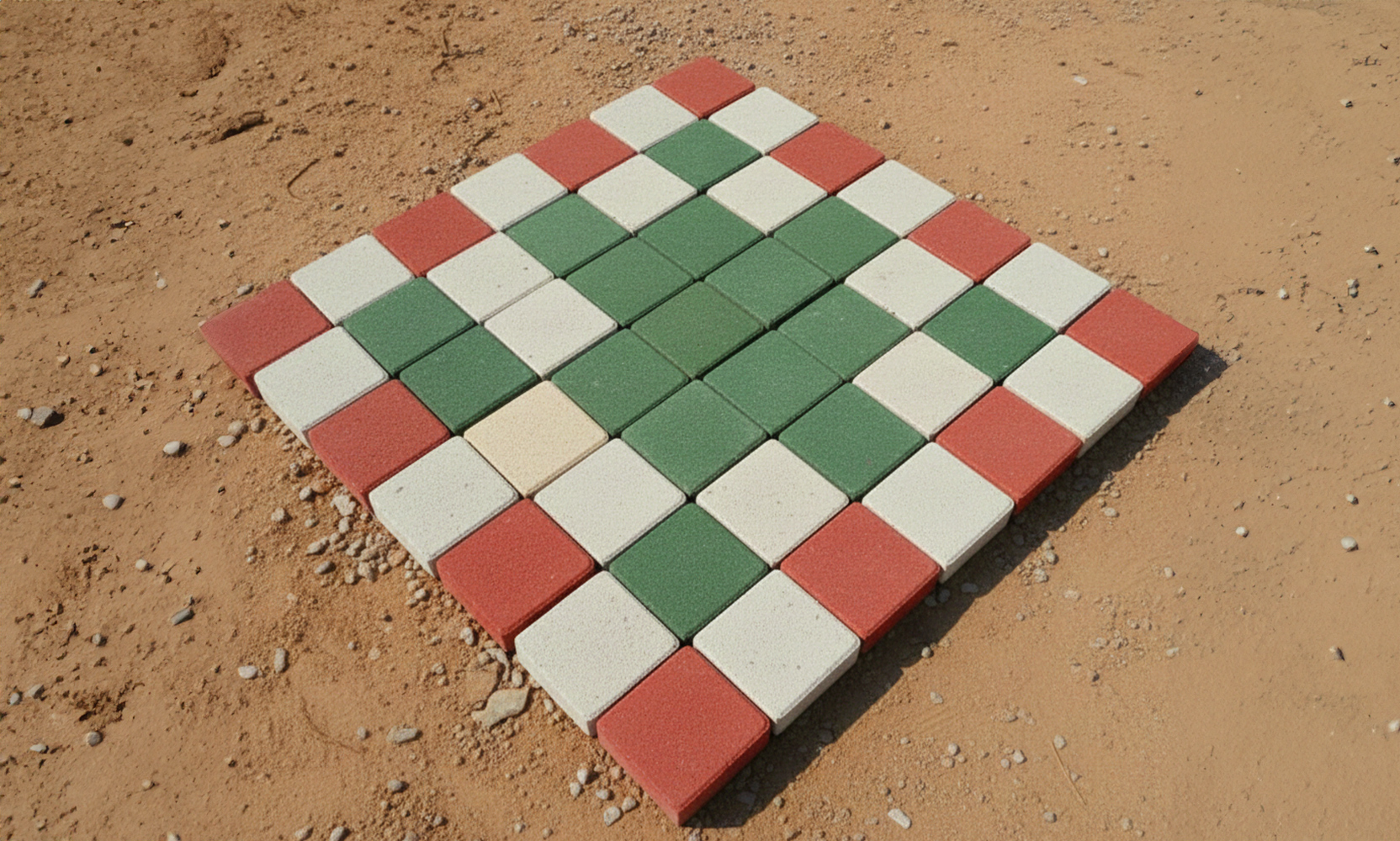
Rubber paver blocks are made from recycled tyres. These blocks are used to ensure that the surface is shock-resistant and also has traction. They are usually used in children’s play areas, gyms, and also in swimming pools.
Regular Paver Blocks
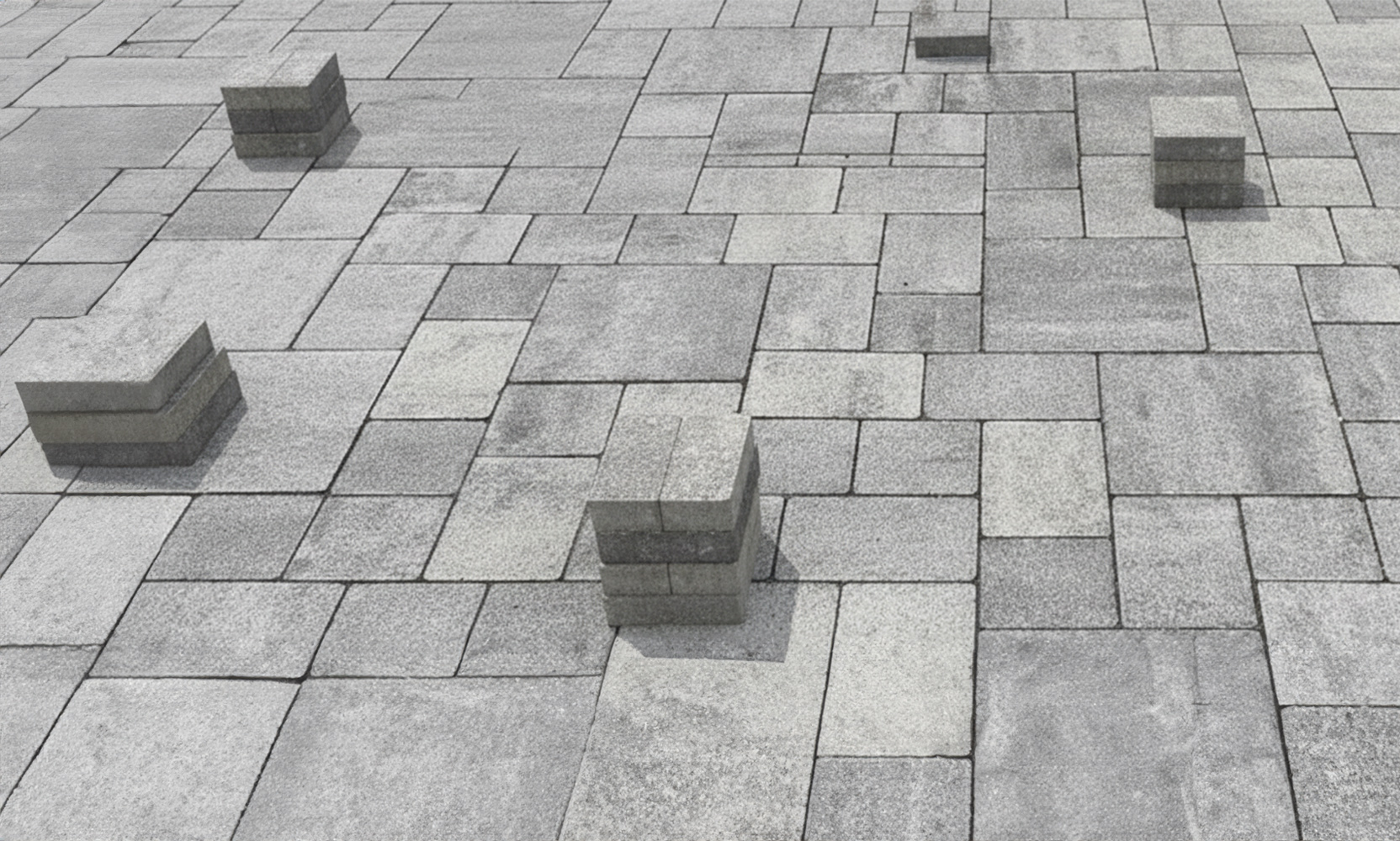
Permeable paver blocks allow rainwater to seep through the block and then penetrate the soil. These blocks have the capability to reduce puddles on the surface during heavy rainfall. They can be used in car parking areas, gardens, etc., where there is a concern about the drainage system.
Standard Size and Shapes of Paver Blocks
All paver blocks sold in India are required to comply with IS 15658:2006 – the specification for precast concrete paving blocks published by the Bureau of Indian Standards (BIS). IS 15658:2006 defines certain performance parameters, loading classifications, and a minimum compressive strength of 35 N/mm² for all types of paver blocks.
Depending on the volume of traffic loading being imposed upon paver blocks, IS 15658:2006 classifies paver blocks into four distinct categories (low, medium, high, and very high) of traffic loading. There are many reliable manufacturers who manufacture paver blocks with compressive strength ranging from 40 N/mm² to 50 N/mm², which offer additional protection to the paver block from cracking under the impact of traffic loading.
Choosing the correct thickness is critical. Thin blocks in high-load areas may result in early failure.
| Thickness | Min. Compressive Strength | Suitable For |
|---|---|---|
| 60 mm | 35 N/mm² | Pedestrian walkways, garden paths |
| 80 mm | 35 N/mm² | Driveways, car parks, light vehicles |
| 100 mm | 35 N/mm² | Trucks, buses, industrial yards |
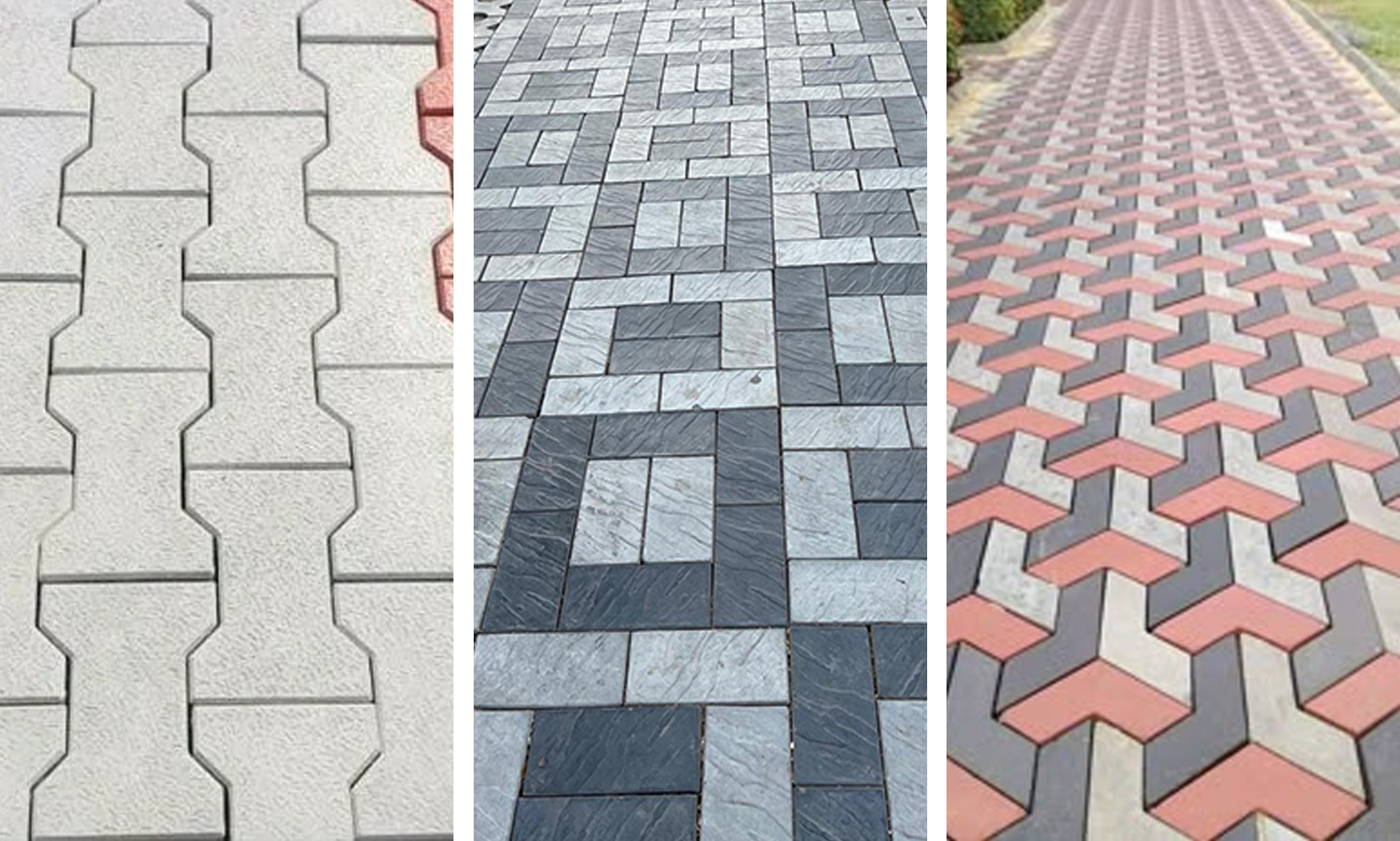
Type A Paver Blocks
These are paver blocks that have plain vertical sides and lack interlocking edges. Type A paver blocks rely almost entirely on the sand bedding to provide stability and are best suited for low-traffic decorative locations.
Type B Paver Blocks
These are paver blocks with one straight and curved face and form partial interlocks. Type B paver blocks are recommended for use on a patio or a driveway with low traffic.
Type C Paver Blocks
These are the paver blocks that are interlocked on both sides and can withstand maximum loads, and can be used for road surfaces.
Type D Paver Blocks
These are L, T, or X-shaped paver blocks that are both strong and decorative and are often used in entrance plazas and landscape features.
Different Types of Paver Block Patterns
In addition to aesthetic appeal, the patterns you choose for your Paver block surface are significant factors in terms of strength and stability. The following are the various types of paver block patterns that are available:
Herringbone Pattern
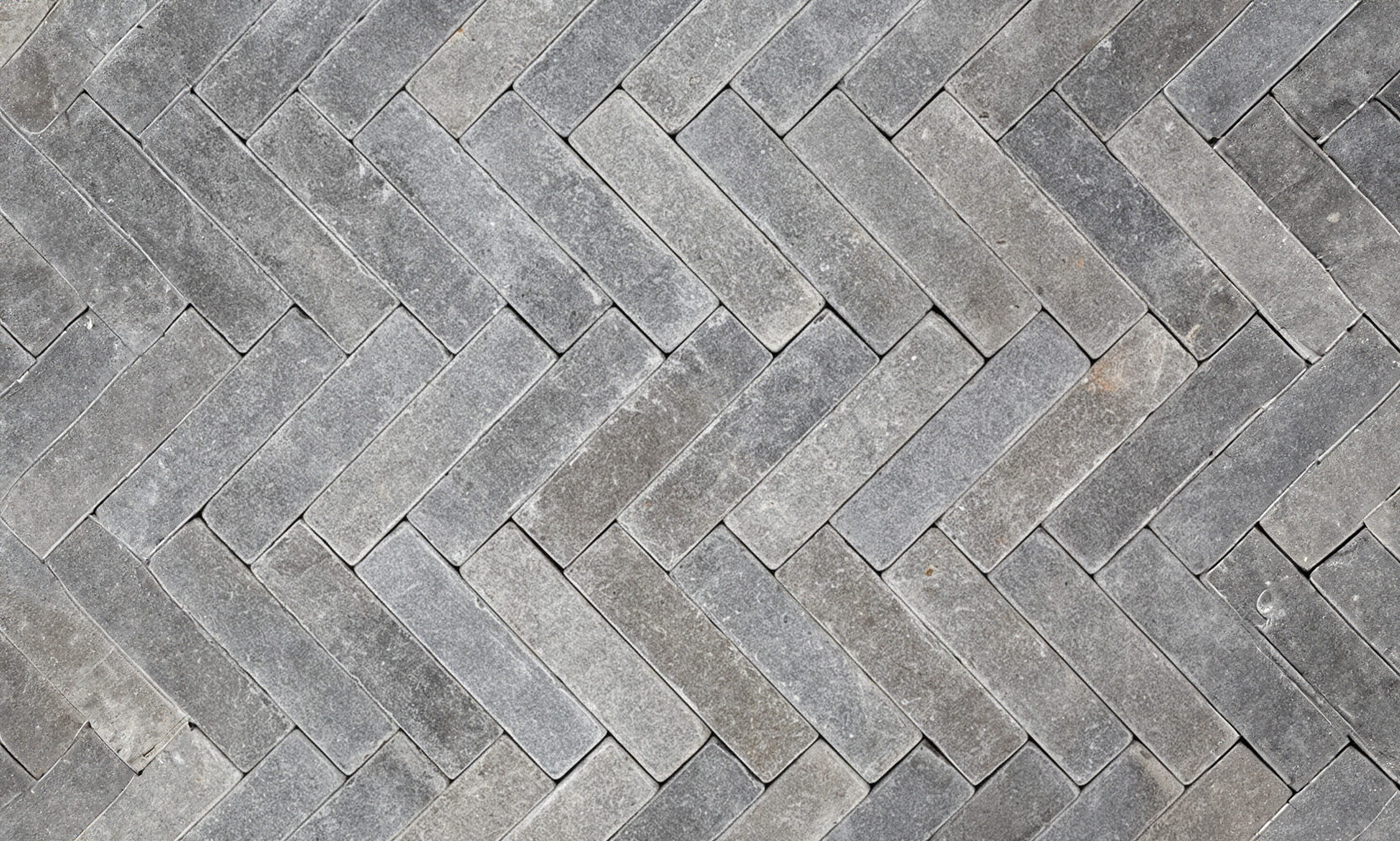
Herringbone paver blocks are placed at 45° or 90° angles to provide strong interlocking and are best suited for driveways and car parks.
Basketweave Pattern
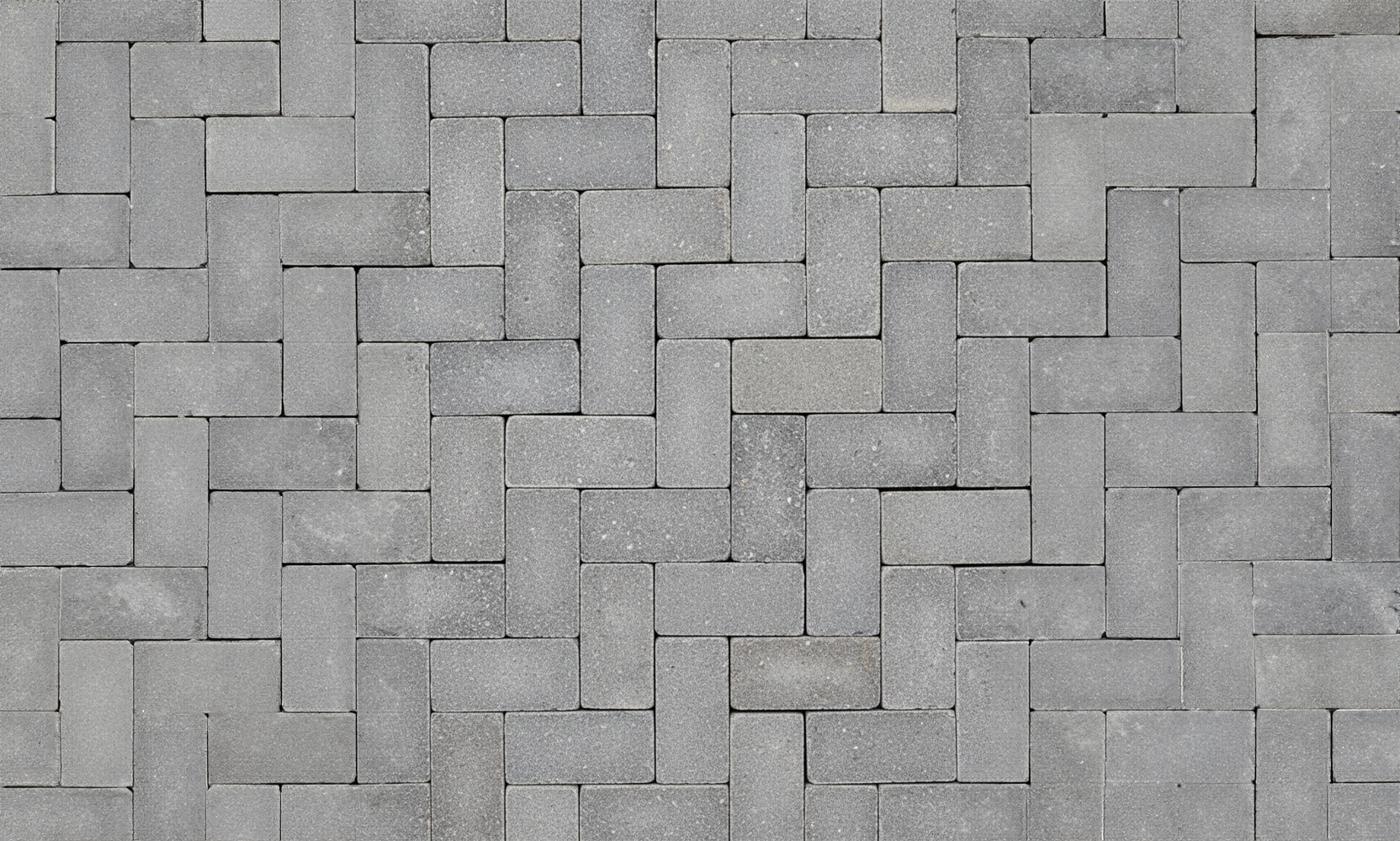
The basketweave paver block design is a woven appearance that is formed by alternately placing pairs of horizontal and vertical blocks together. Basket Weave Paver blocks work best in light-traffic areas such as garden paths and courtyards.
Running Bond Pattern
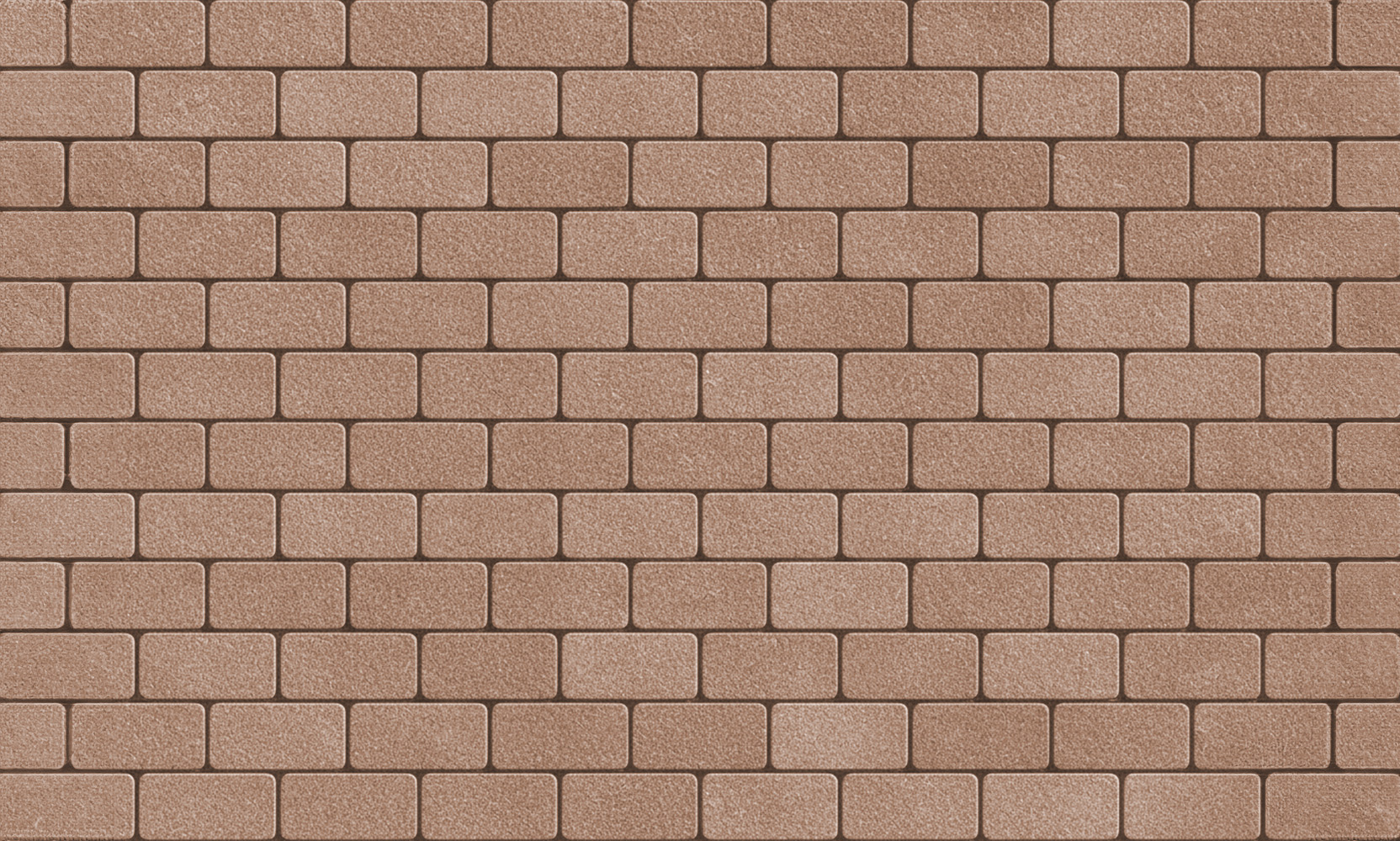
Blocks are interlocked, similar to brickwork in a wall. Running Bond Paver blocks are aesthetically pleasing and clean, and are ideal for footpaths and residential walkways.
Cobblestone Pattern
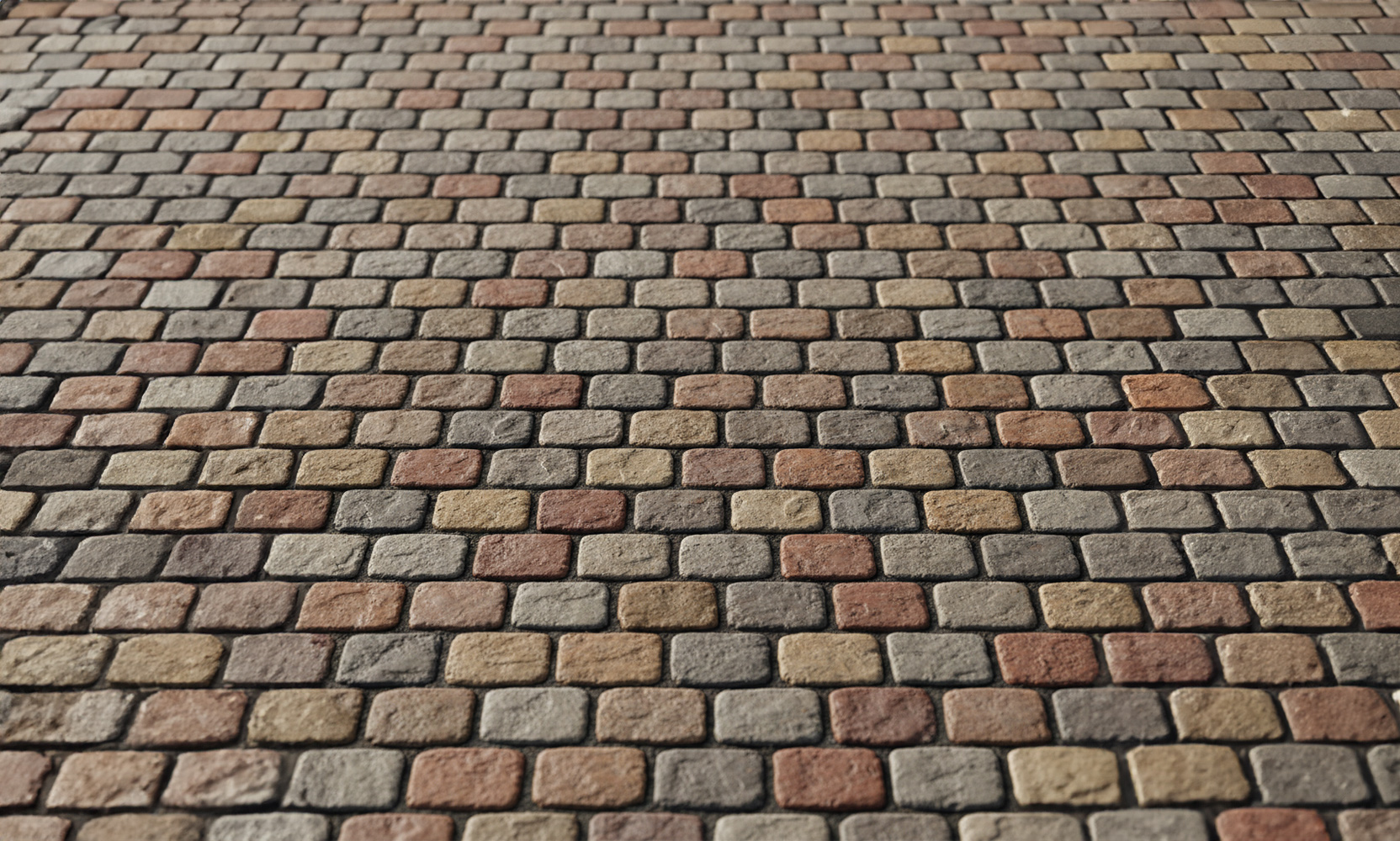
The design includes a random placement of blocks to form a rustic heritage-style look and is ideal for decorative areas.
Circular Pattern
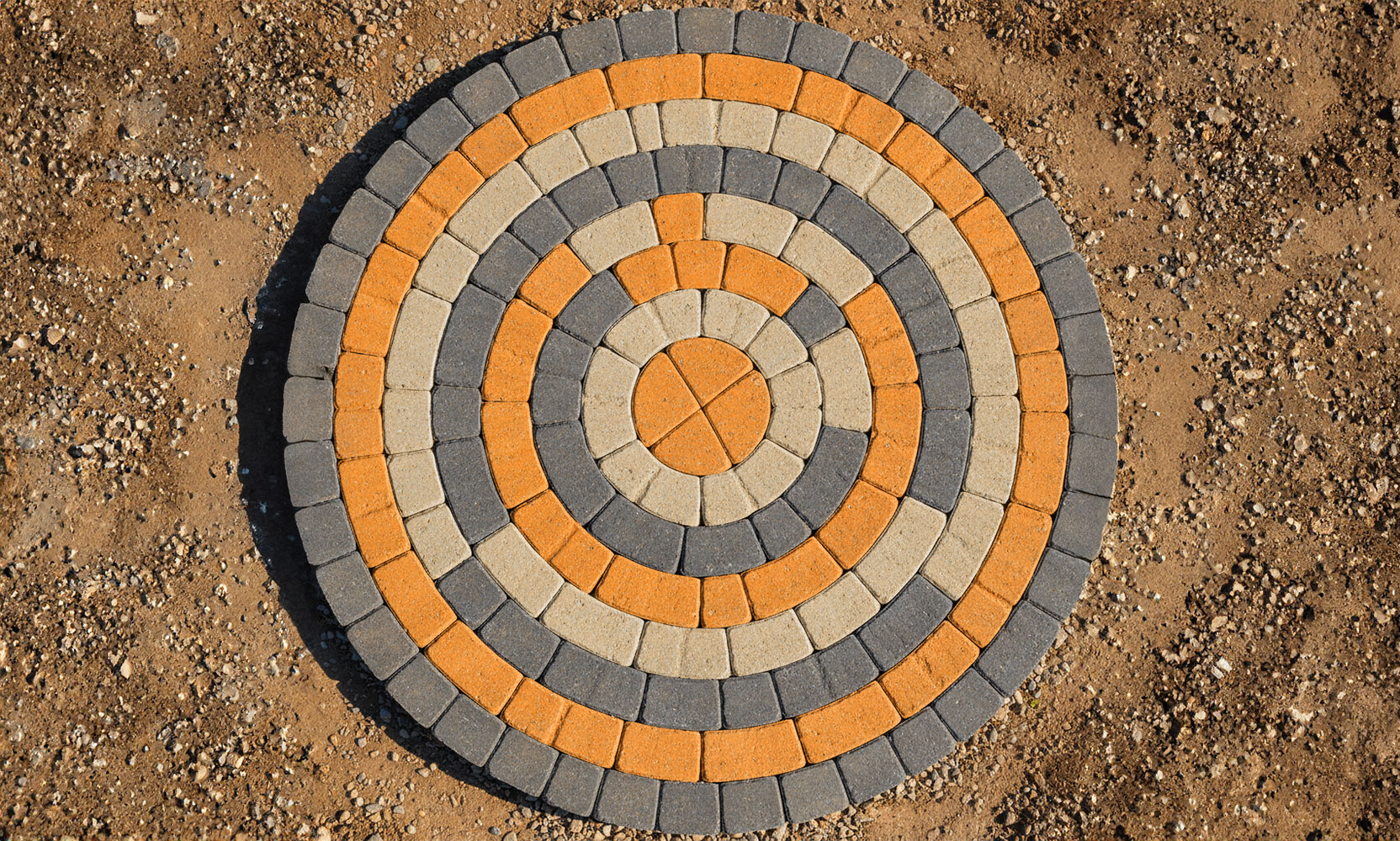
The circular paver block design is a dramatic design that is formed by radiating blocks from a central location and is ideal for entrances and open plazas.
Installation Method of Block Paving
To achieve long-lasting performance and stability, follow these steps:
Excavation:
Dig the ground to a minimum of 150 mm below the damp-proof course of your house or whatever the paver blocks are being laid next to. Depending on the rise and fall of the ground, the depth of excavation may vary. Shovels and spades may be used for smaller areas, but for larger areas, the excavation may be done with a mini-excavator or JCB to reduce labor costs.
Edge Restraints :
Install a rigid restraint at all exposed edges to prevent the paver blocks from shifting. Install a 1:6 cement-to-ballast concrete mix to lay 100 mm thick foundation bases. Set a tight string-line at the completed paver-block surface level to act as a reference point for establishing the level of all the edging stones and to establish how the edging stones are positioned.
Then, install the edging on top of the 25 mm thick layer of concrete, and tap them into position with a mallet. Haunch the edging with concrete on the outside, and fill to the midpoint of the paver block.
Sub-base :
The sub-base will be the main support for the road, and hence it has to be a minimum of 100 mm thick to support any traffic. This can be achieved by adding a sub-base of 75 mm, compacting it with a plate compactor, and then adding another 75 mm sub-base, compacting again.
MOT Type 1 hardcore aggregate (granite, limestone, or basalt crushed to max 40mm) should be used as the sub-base. The MOT Type 1 hardcore aggregate will stabilize the paver blocks, prevent settling or sagging, and improve the overall long term durability of the paver block. Run the compactor over the sub-base six or seven times to completely densify the sub-base and to prevent an uneven surface.
Laying and screeding sand:
After the sub-base has been laid, the amount of sand needed to achieve the final height of the paver block surface and shape the surface according to the slope or angle requirements needs to be added. 50mm of sharp sand, which retains its shape when squeezed together into a ball, needs to be added and compacted using a vibrating plate, then screeded to level using screeding lats.
A string line needs to be set up at the level of the paver block surface, leaving a 3-5mm gap for the final compaction of the paver blocks. Once the screeding lats have been removed, the gaps between the paver blocks need to be filled with sand, and the remaining sand screeded for a smooth finish.
Lay the paver blocks :
Start installing paver blocks 3-5mm above the desired surface level, beginning from the lower corner of the slope. If this is not feasible, start from a straight edge or border. Each block should be closely fitted to the adjacent block face and lowered straight down into the sand instead of sliding it in to prevent any gap formation.
Final touches :
Use a broom to sweep the kiln-dried sand across the paver blocks. Ensure that sufficient sand fills the spaces between the blocks. Compaction of the blocks should be done, and then more sand should be added. This process should be repeated until all the spaces are filled.
Benefits of Using Paver Blocks
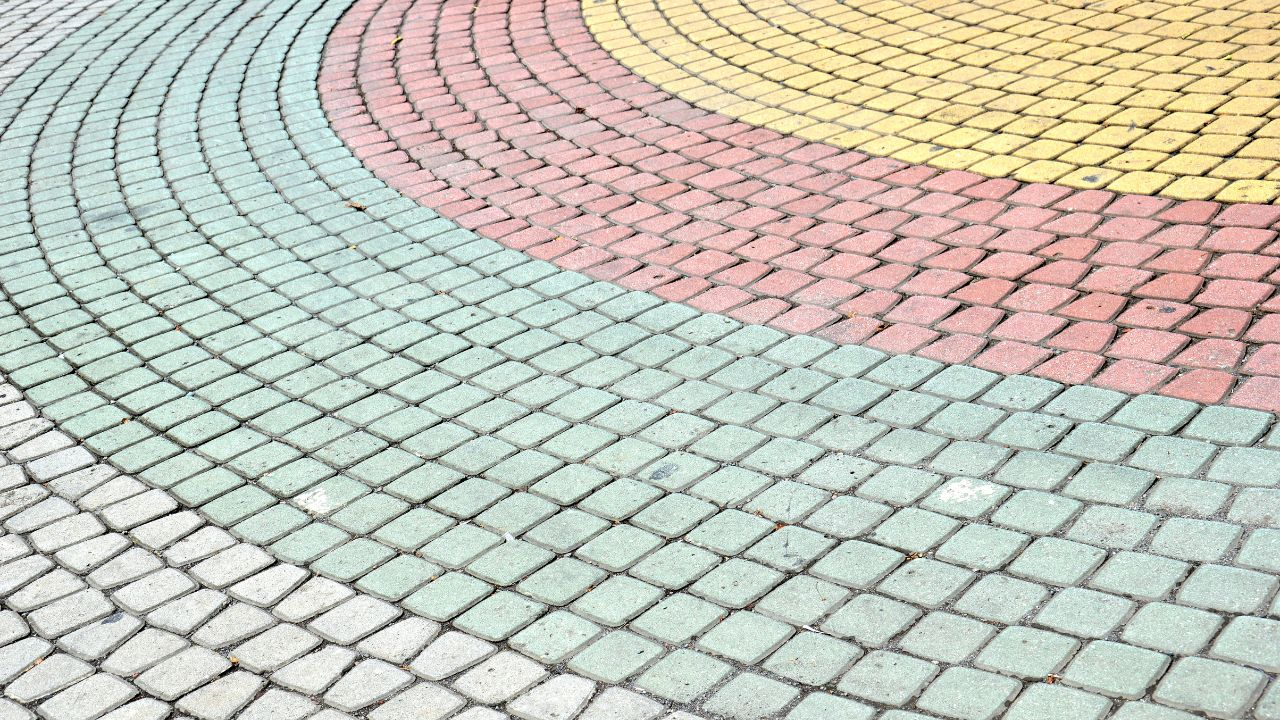
There are a number of reasons why paving blocks are used instead of concrete and asphalt:
- Quality and Longevity: The blocks are locked together, and the weight is evenly distributed throughout the surface.
- Heat Resistance: Neither concrete nor clay paver blocks loses shape or strength in the hot summer months in India. On the contrary, asphalt paver blocks suffer in hot weather.
- Immediate Availability: No curing is needed. Immediately after the installation of the block paver system, the area is ready for use.
- Accessibility: In the event that there are some repairs to be carried out on the underground pipes and cables, the blocks can be easily removed.
- Low Maintenance: The area only requires sweeping and cleaning at intervals. The interlocking blocks, which have been damaged, need replacement.
- Customisation: Available paver blocks come in different shades, textures, shapes, and patterns.
Easy Maintenance:
Replacing paver blocks as needed makes maintenance easy. Oil and gasoline spills hardly discolour concrete and clay pavers. Regular sweeping, weeding, and joint sanding keep the pavement looking good.
Customisation:
Paver blocks come in diverse colours, textures, shapes, and styles. This variety allows for tremendous customisation and design flexibility for patios, walkways, borders, accents, and more. Patterns can be changed easily in the future if desired.
Comparing the Paver Block Price in India
As of 2025, here’s the table that mentions the approximate prices for different paver blocks (depending on the type of materials and other aspects):
Comparing the Paver Block Price in India
As of 2025, here’s the table that mentions the approximate prices for different paver blocks (depending on the type of materials and other aspects):
Disclaimer: The above table mentions the estimated market prices. The real costs depend on brand, city, and quantity of orders.
| Type | Rate/Square Feet | Durability | Suitable for |
|---|---|---|---|
| Concrete | Rs. 100 - Rs. 1500 | High | Driveways and parking lots |
| Clay | Rs. 200 - Rs. 2000 | High | Walkways, footpaths, and landscaping features |
| Natural Stone | Rs. 500 - Rs. 2500 | Very High | Premium driveways, patios, pathways, and pool decks |
| Plastic | Rs. 100 - Rs. 800 | Low to moderate | Pedestrian paths and light load surfaces |
| Rubber | Rs 150 - Rs. 1000 | Low to moderate | Playgrounds, recreational areas, patios, and pool surrounds |
| Regular | Rs. 300 - Rs. 450 | High | Residential and light commercial driveways, paths, and garden edges |
| Permeable | Rs. 300 - Rs. 1,500 | High | Parking lots with stormwater needs and driveways |
Conclusion
Block paving offers a strong, low-maintenance, and visually appealing solution for driveways, walkways, parking areas, and commercial spaces. With different paver blocks available, the right one depends on material, design, and proper execution. Concrete, clay, stone, and permeable paver blocks each serve different purposes depending on traffic load, soil condition, and drainage needs.
Also, the block paver price in India may vary based on thickness, finish, grade, and location, but its long-term value comes with correct installation. The appropriate paver blocks and the right installation method will ensure not only that the area is valuable, safe, and beautiful, but also environmentally friendly.
| Location | Recommended Paver Types | Key Consideration |
|---|---|---|
| Driveways | Concrete pavers, clay pavers, stone pavers | Durability for vehicles <br> Strength for weight/pressure<br> Interlocking for stability |
| Walkways | Concrete pavers, clay pavers, stone pavers, permeable pavers | Slip resistance <br> Shape for design |
| Pool Decks | Concrete pavers, stone pavers, porcelain pavers | Slip resistance <br> Coping around pool <br> Drainage |
| Paths | Concrete pavers, stone pavers, gravel pavers, grass pavers | Permeability <br> Rural/rustic look |
| Edging | Concrete pavers, clay pavers, stone pavers, plastic composite edging | Contrast with main paving <br> Restraint for edges |
Frequently Asked Questions
What kind of paver block is suitable for driveways and parking areas?
Herringbone paver blocks with a width of 80mm would be a good option for a driveway or a parking area. Herringbone paver blocks would ensure a good distribution of the load; they would be able to withstand the load as per IS 15658:2006.
What kind of paver block material is suitable for the weather conditions in India?
Concrete paver blocks that have an average compressive strength of 35 N/mm² or greater are the most durable materials for high traffic and monsoon seasons. Other options include kiln-fired clay paver blocks, which are heat, water, and colour resistant.
What is the standard size and thickness of paver blocks available in India?
According to IS 15658:2006, the usual thickness of pavers in India is 60mm (pedestrians), 80mm (vehicles), and 100mm (heavy vehicles). Pavers should have a minimum compressive strength of 35 N/mm².
What is the price of paver blocks available in India per square foot?
Approximate prices of pavers in India range from $20 per square foot of plastic to $130 per square foot of high-quality stone. Preparation costs usually run between $40 and $80 per square foot.
Which thickness of paver block is suitable for heavy vehicle traffic?
According to the IS 15658:2006, the recommended paver block thickness for heavy vehicle traffic is 100mm. If placed under too much weight, it may crack and fail.
What is the difference between concrete and clay paver blocks?
Concrete pavers are strong and cost-effective. Clay pavers are fired at high temperatures, are resistant to color, and are resistant to moisture and heat. Clay pavers are more expensive than concrete pavers.
Are permeable paver blocks good for water drainage?
Yes, permeable paver blocks allow the water to drain into the surface of the paver blocks. It will also prevent waterlogging and enhance groundwater recharge during heavy monsoon rains in cities across India.
Do paver blocks need any maintenance or sealing?
No maintenance is required for the paver blocks. Only cleaning is required. Sealing is also done periodically to prevent stains and weeds.
What type of paver block is most suitable for use in a residential area?
Concrete pavers of width 80mm are used for driveways. For gardens, clay pavers and stone pavers can be used. For patios, light-weight plastic pavers can be used if they are available.
Can individual paver blocks that are damaged be replaced?
Yes, the damaged paver block can be replaced with another paver block of the same kind. In this way, there will be no signs of replacement, and the replacement of a single paver block will be cost-effective.