
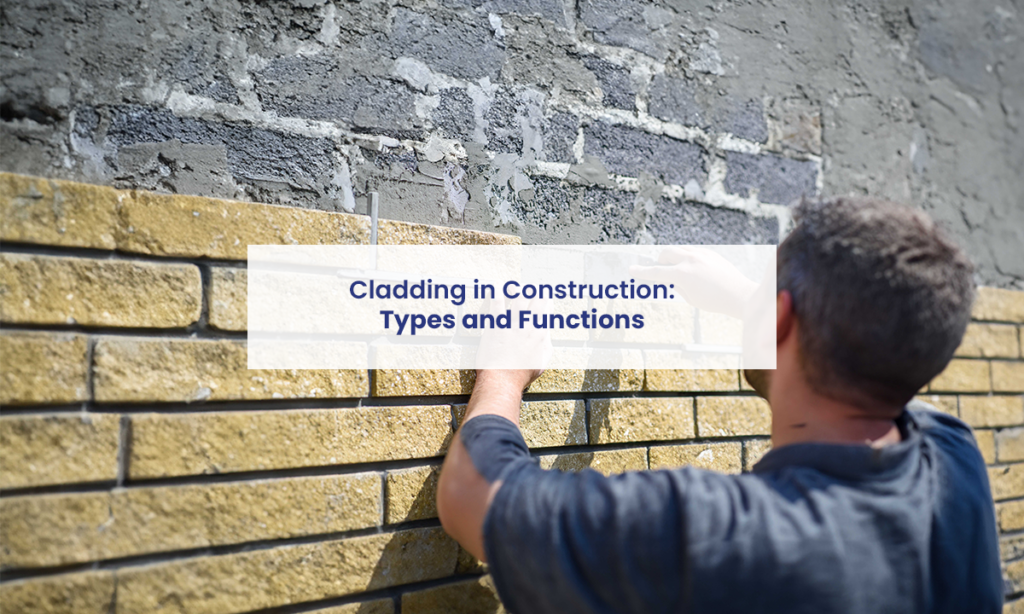
Cladding plays a key role in protecting buildings and enhancing their appearance. This guide explains what cladding is, the different types used in construction, and their functional benefits.
Cladding is a fundamental part of modern construction; however, for many, it appears to be simply another exterior finish material. In reality, the selection of cladding systems is a significant factor in how a building will respond to climatic and solar exposures, and how the structure will manage moisture and withstand wear and tear over time.
Understanding the significance of cladding in construction is essential for developers, architects, and property owners alike because selecting the right cladding materials and installing them properly has a direct impact on building safety, long-term maintenance costs, and overall performance.
This blog will explore what cladding is, types of cladding systems, and how they are installed. We will also talk about the functional, safety, and sustainable factors that influence cladding decisions in real-world applications.
What is Cladding in Construction and How is it Done?
Cladding in construction refers to the installation of an external material layer over a building’s structural surface to protect it from weather exposure and environmental damage.
Although cladding in building construction is primarily applied to exterior walls, internal cladding may also be used in specific cases, such as acoustic treatment, thermal insulation, or fire-rated wall linings, depending on design and performance requirements.
Regions with high rainfall, strong winds, heavy pollution levels, or extreme temperature fluctuations are particularly susceptible to excessive wear and tear throughout the lifespan of a building. One of the primary functions of cladding systems in construction is to mitigate the negative impacts of the environment upon the structural walls of a building, thereby reducing the rate of deterioration and enhancing their overall durability.
However, that’s not the sole use of cladding. It also assists in the regulation of thermal performance and moisture management. As the protective layer separating the building and its environment, cladding helps preserve the underlying structure, maintains interior conditions, and reduces long-term maintenance requirements.
Related: Mastering Concrete Foundation Waterproofing Techniques
How Cladding Affects Day-to-Day Building Performance?
Cladding plays an important functional role in buildings in the following ways:
Reducing Weather and Moisture Impact
Cladding systems are helpful in reducing surface erosion because of rainfall, humidity, and water seepage. In regions that experience longer monsoons, this becomes especially important as repeated wetting and drying cycles cause more strain on the building.
Managing Heat
Cladding acts as an external buffer that slows heat transmission through walls, and when designed using fire-resistant materials and tested systems, it can help limit fire spread in emergency situations.
Protecting Structural Elements
Cladding itself does not help carry structural loads, but it does help protect load-bearing structural elements. It shields walls from cracking, corrosion, and regular wear and tear.
Improving Noise Reduction
Cladding helps add insulation to the building, not only from environmental factors but also from outdoor noise.
Supports an Eco-friendly Alternative
Cladding appeals to the taste of green planet activists like a pro. Not only are cladding types inexpensive, it is also an environmentally sound option. Materials like stone and wood are decomposable. This sustainable solution reduces your carbon footprint effectively. It is a subtle way to attract potential buyers when they look at the fine print.
Types of cladding in building
When it comes to outdoor cladding materials, you won’t run out of options any time soon. Remember though, the cladding types you need depend on several factors. Skim through the options below before you conclude:
Aluminium cladding
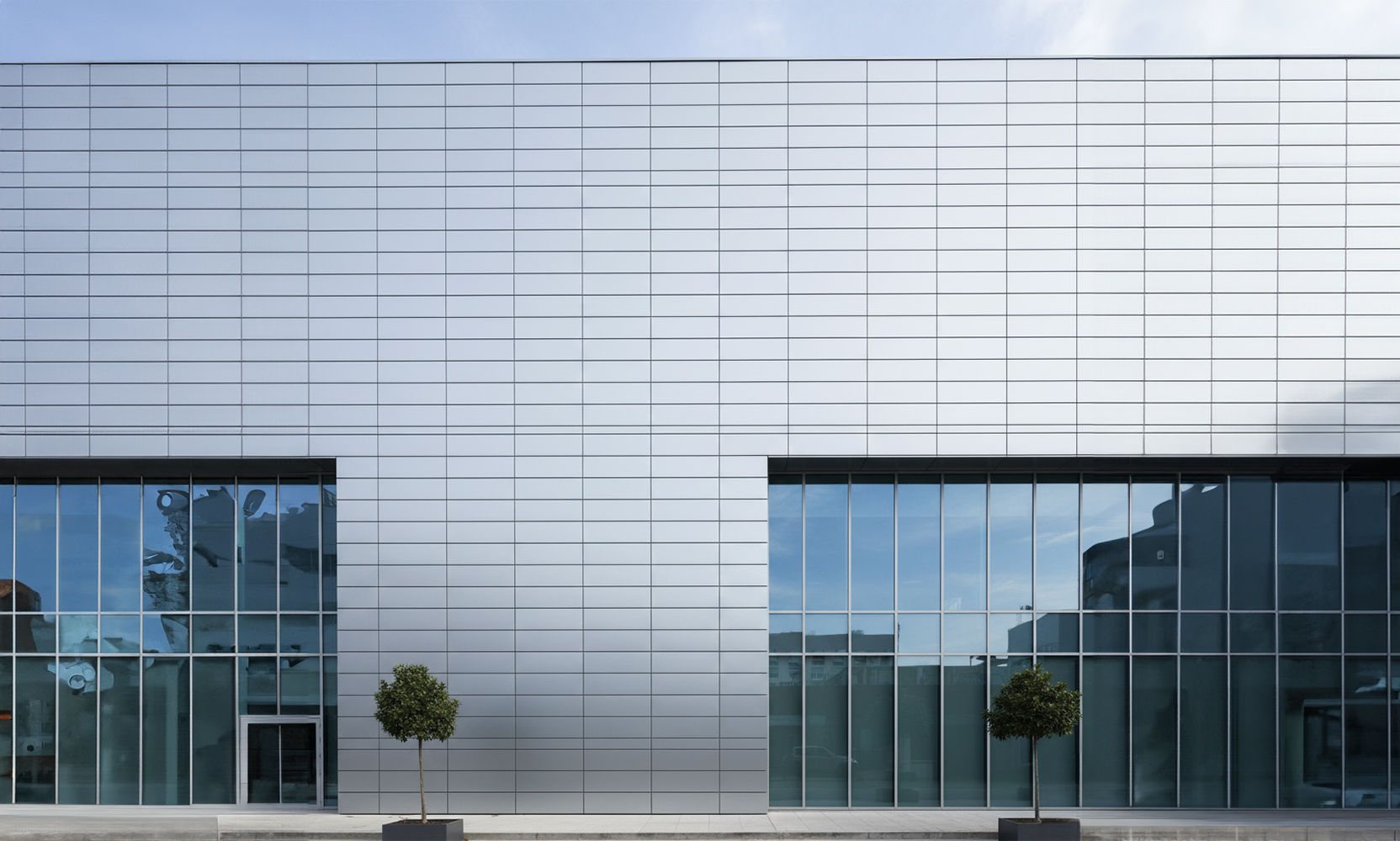
An aluminium composite cladding system (ACP) is the go-to choice for external cladding type in building construction. Although it is lightweight, it is extremely resistant and rigid. It is firm and holds in place well. ACP is a long-term investment and requires minimal maintenance, making it a fairly convenient pick. Rest assured, it will protect your building against UV rays and different weather conditions.
What about the aesthetics? Aluminium cladding on buildings comes in different patterns, colours, shading, textures, and prints. Owing to its charming and contemporary look, aluminium also ranks high in visual appeal. You can choose between customizable thickness options to facilitate quick installation in canopies, false ceilings, fascias, and partitions.
Glass cladding
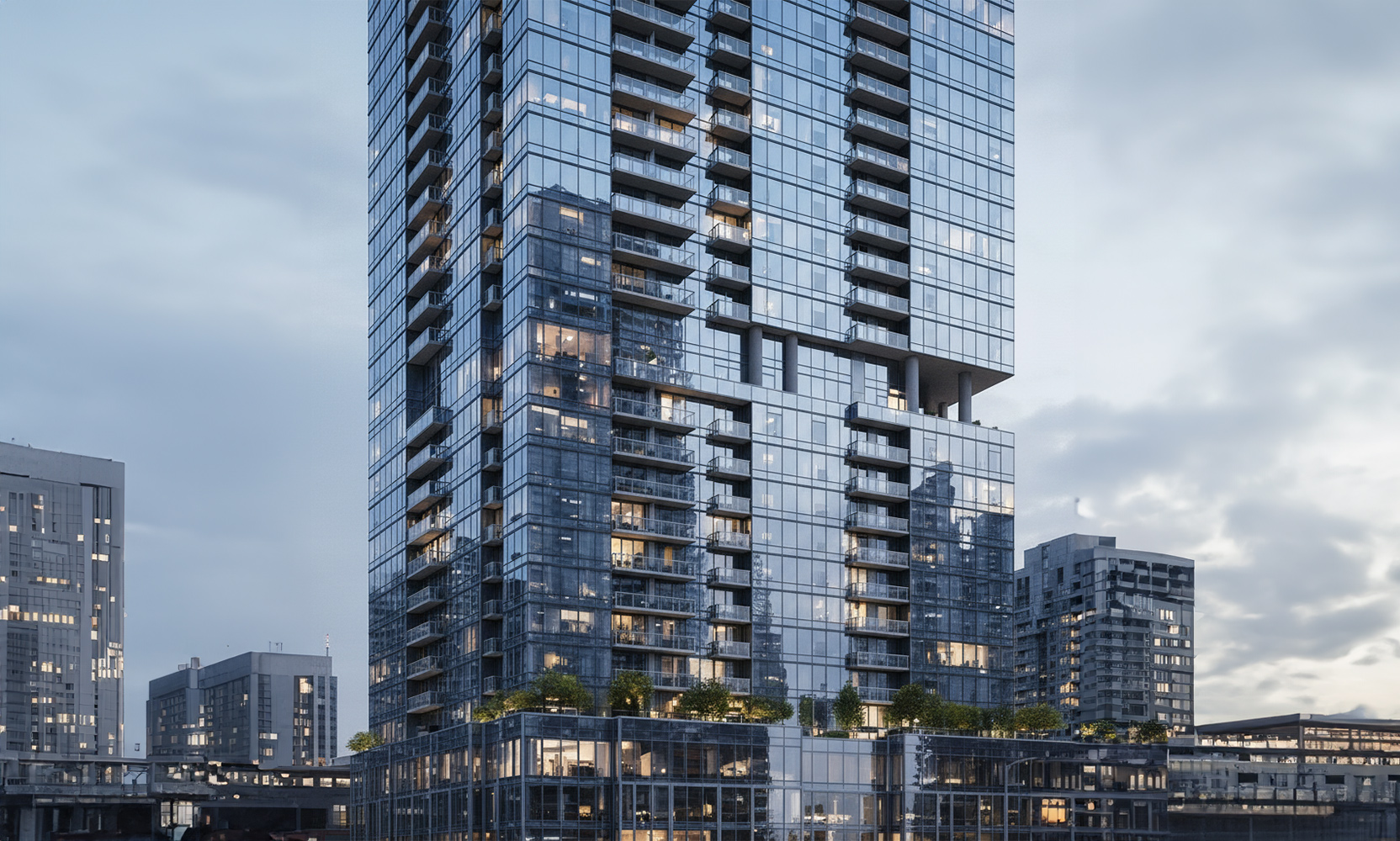
Glass-cladded buildings in business hubs are the epitome of this cladding material. Because of its simplicity, it will fit right into your budget frames. Glass is easily tempered, curved, enamelled, and laminated, so there is a huge scope for personalising it to your taste. As for its visual appeal, it will woo your potential buyers with a classy and versatile look.
The set-up of this type of cladding begins with the age-old approach of piling brick cladding tiles. Glass panels are then mounted with upstands, which ensure that they withstand strong gusts of wind. Glass outdoor wall cladding is resistant to UV rays, winds, and rain.
uPVC cladding
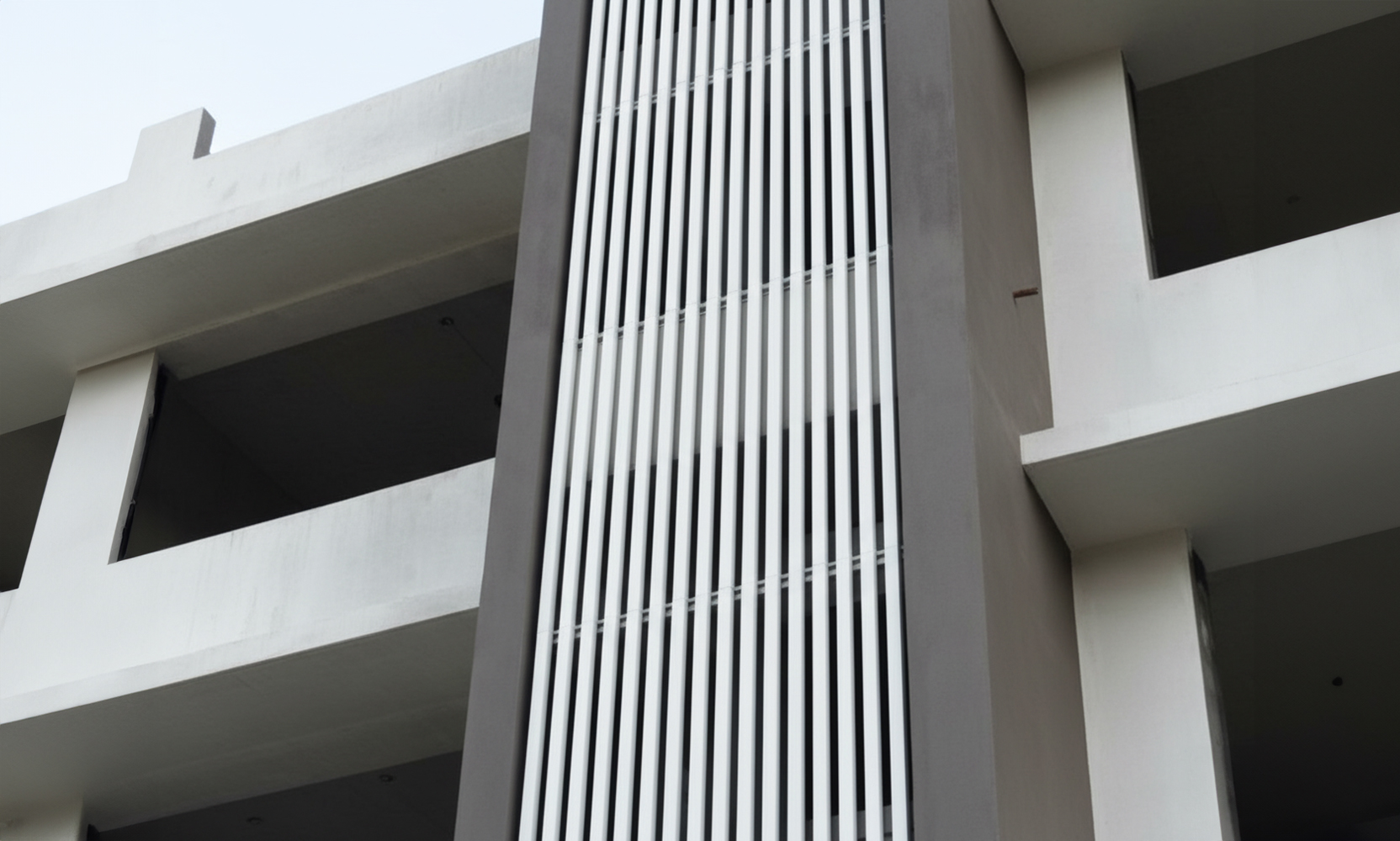
Unplasticised Polyvinyl Compound (uPVC) is an excellent indoor and outdoor cladding material. Its inbuilt UV Stabiliser offers protection from the sun to the clad region. Plus, it is relentlessly resistant to corrosion and water. Developers and homeowners often choose this cladding construction due to its maintenance-free quality. You can maintain the building cladding with just a splash of bucket water.
When installed right, uPVC-clad buildings are fire-resistant too. It limits weather damage to little-nothing. High-quality uPVC cladding material allows temperature regulation within the building. For instance, the interiors will be cooler during summers and warm during winters. It is available in many designs and colours so you can have fun with the external look.
Wooden cladding
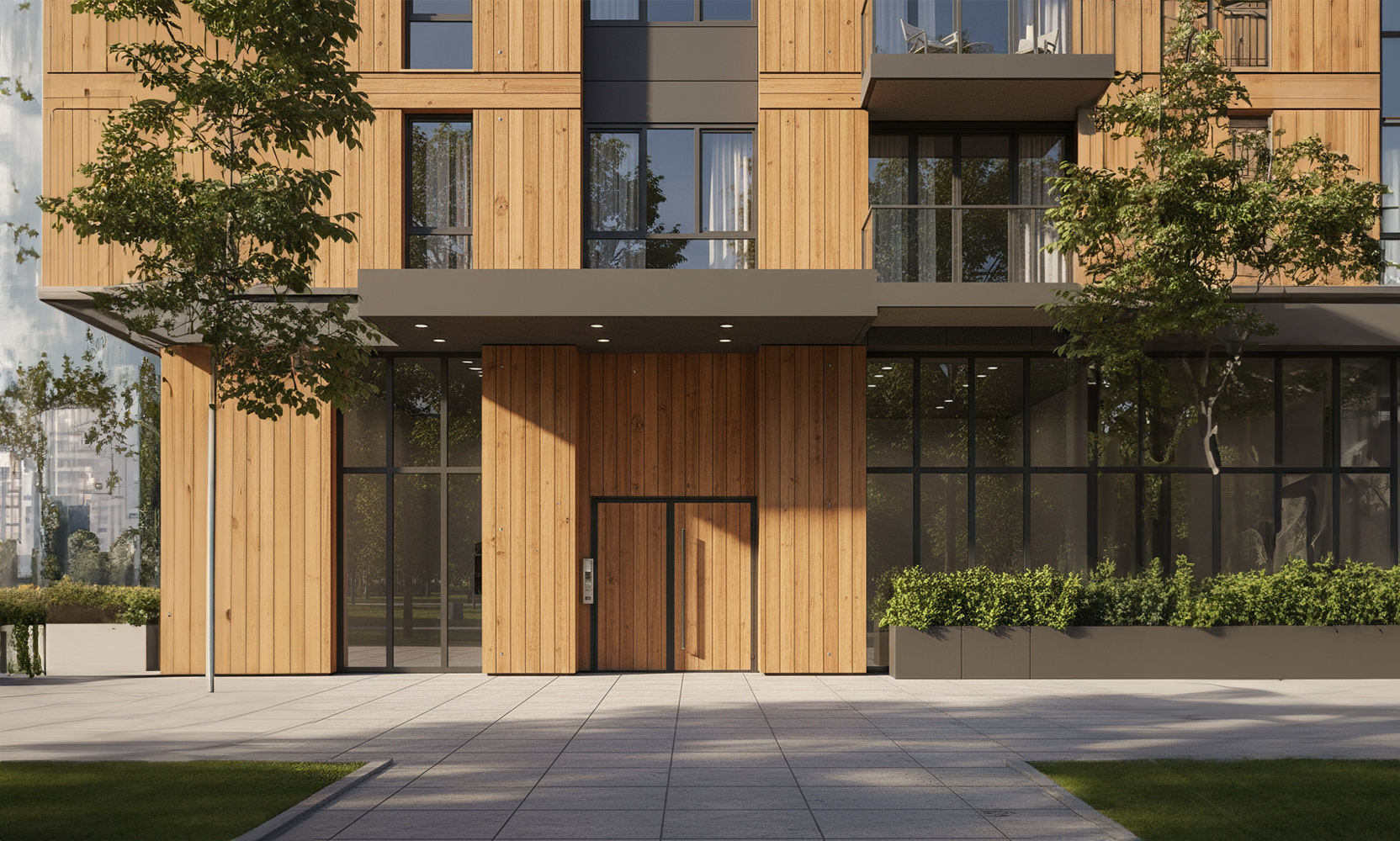
If you’re leaning towards eco-friendly cladding in buildings, wooden cladding material will emerge as one of the best options. It is recyclable, and because it is usually made from exclusive wood types like cedar or hardwoods, pesticides don’t feed on it either. Its application is popular in both indoor and outdoor cladding materials. Residents, as well as commercial property owners, deem it an excellent choice.
Wooden cladding for buildings strikes insulation and energy efficiency in one power move. It also gives you the opportunity to improve the aesthetics of your space. Choose from a wide range of different timbers and textures. It is a one-stop solution to upscale the building’s appearance and maintenance.
Tiles cladding
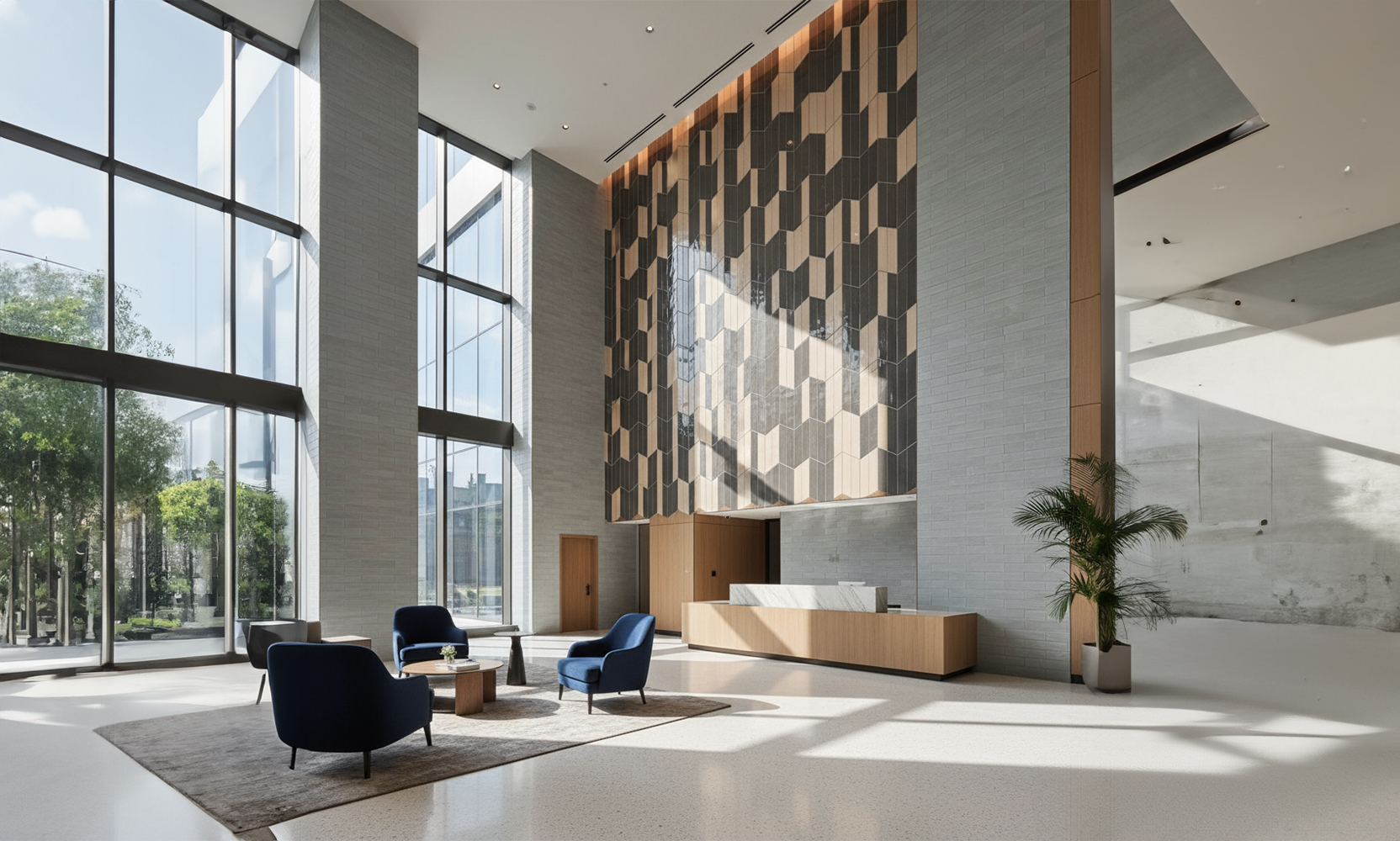
Tiles are a fairly recent breakthrough in the realm of cladding materials for exterior walls. Suitable for both interior and exterior applications, tile cladding material for exterior walls withstands varying temperatures and winds and is a durable choice. Maintaining these tiles is a piece of cake for the next decade, and you can trust them to carry your building into the next decade.
Tile cladding for buildings gives you a reserve of creative freedom. It comes in a diverse palette of designs and textures so you can manifest the sophisticated abode of your dreams. Try something new with a combination of different-sized tiles. Put them together and see the unique suave look unfold. Such light cladding material is simple and fast to install.
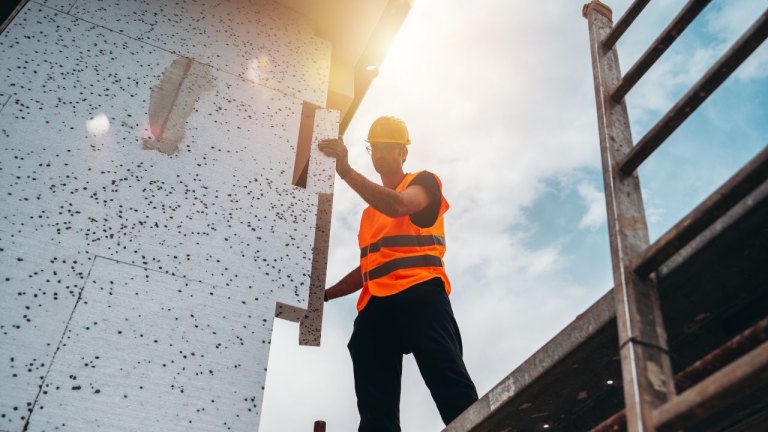
External foam cladding
True to its name, this type of cladding is made from a foam called polystyrene. It protects your building from the most unpredictable weather conditions and drives termites away. It is complete with a touch core to protect the seemingly delicate fibreglass. Against the strong impacts of rain, snow, and winds, this outdoor wall cladding will surprise you.
External foam cladding on buildings is available in a selection of different panels. It offers your building a crisp and elegant look. Before the panels are hoisted, bend the designs to your artistic preference. Owing to the foam’s flexibility, the installation process is smooth.
Porcelain tile cladding
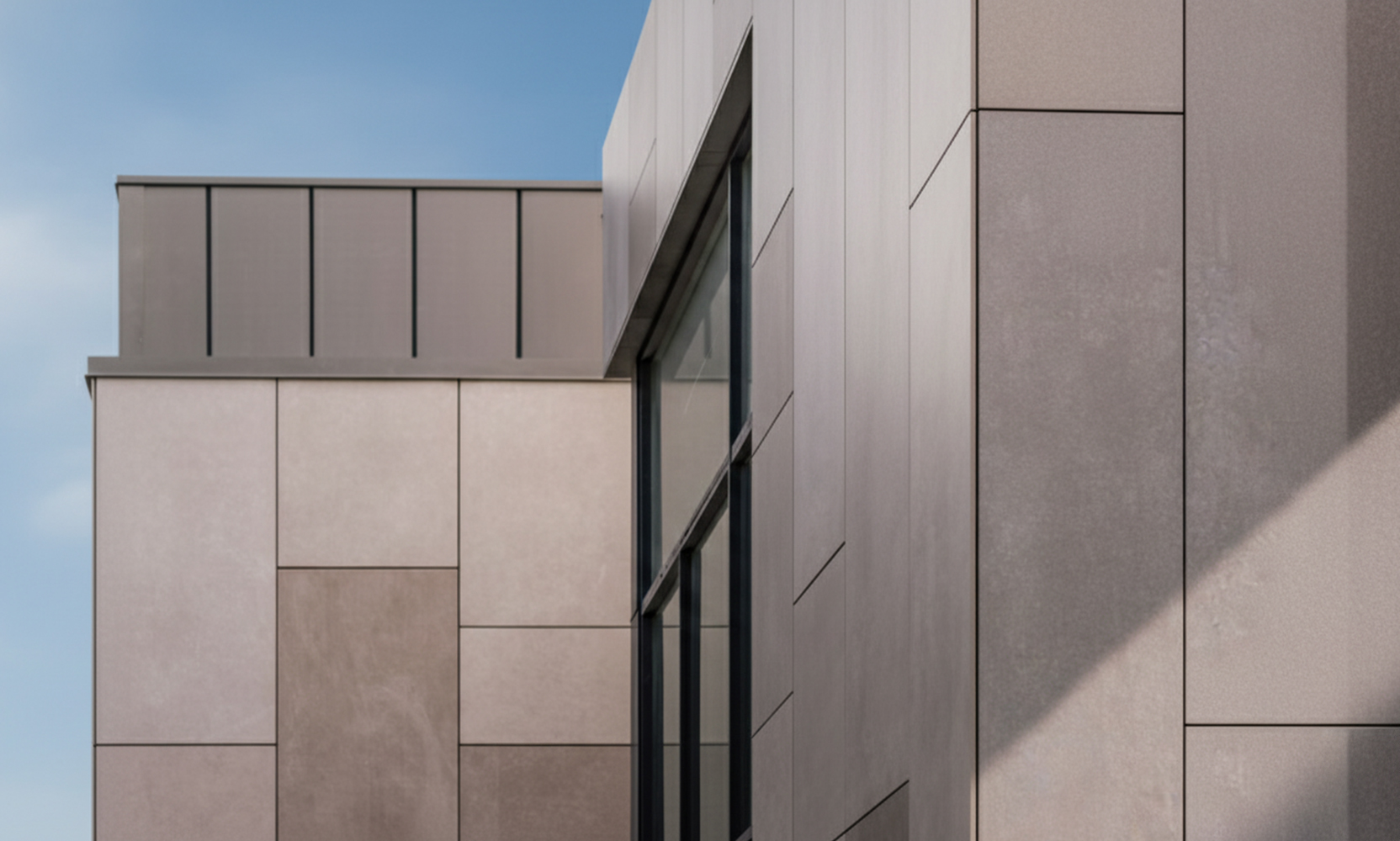
The porcelain cladding material is a package deal of unmatched qualities. Homeowners and property buyers opt for this material because it is easy to maintain. It protects exterior walls from scratches, stains, and abrasion. Thanks to its resistance against thermal shock and low temperatures, you can make a hard-wearing building exterior surface out of it.
It portrays your building in a homey and luxurious light, instantly attracting investors’ interest. Its smooth texture grants your outdoor walls an aesthetic and unique appearance. If you’re familiar with building decor that wears off its sophisticated era within only a few years, Porcelain cladding construction rules it off with its timeless appeal.
Weatherboard cladding
Weatherboard cladding material is also known as “featheredge.” Both refer to the external cladding slabs made from timber. Weatherboard is a great substitution for timber and uPVC. It is resistant to weathering, insect infestations, and rotting and requires minimal maintenance. Not only is this cladding material an economical option for your building, but it also minimises energy usage.
Since the weatherboard cladding type fights off moisture and intensive shock, it lasts for a long time. If you want to give your building a final touch of luxury, choose a fine exterior from the various textures and designs it offers. It is best to involve a professional in its installation. They are experts in placing the boards at the relevant angles.
Stone cladding
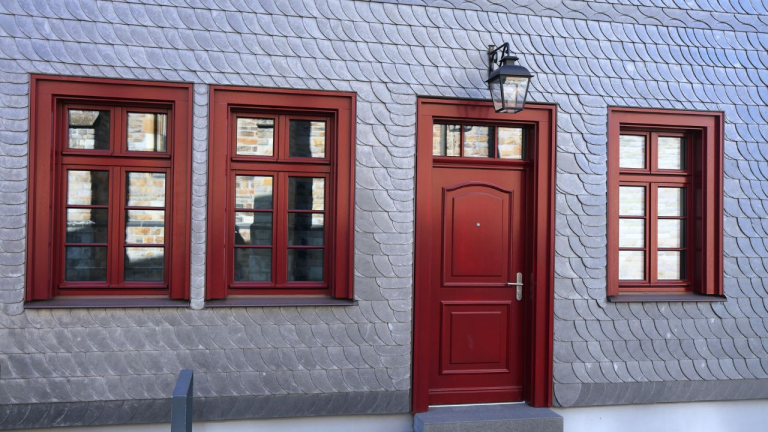
Stone offers an elegant and rustic look to the space. Cladding works cover non-porous, moisture-resistant, and water-resistant properties in the best cladding types. Because stone is naturally derived, it avoids fading lustre and high maintenance.
It gives the impression that the entire building is made from stone. Apart from cladding in buildings, stone cladding type is a great option for other outdoor areas like garden entrances. Stone may seem non-experimental at first glance, but many contemporary designs pile it up in slices, cut thin pieces, or make an attractive sheet. It enhances the textured appearance of a building.
Importance of cladding in building
Cladding work is a precautionary measure and part of the maintenance system of a building. Here’s why it’s vital:
Fire safety
The materials you use in cladding should enhance your building’s fire safety, not decline it. Materials like aluminium and stone decrease the risk of a fire breaking out. Developers and homeowners must counter-check with the state and territory legislation about the cladding material guidelines. If easily combustible components are part of the cladding, the fire can consume other rooms and floors, too.
Transmission of sound
If you live in the city, traffic commotion and city buzz are inevitable constants. Wall cladding allows you to take some of this control in your hand. You can choose a sound-proof or acoustic cladding type in your building to limit external distractions. This is a great idea for those working remotely and having pets or the elderly at home.
Extremely durable
Cladding is a long-lasting investment in the building. Whether you choose metal or composite cladding material, it is a great alternative to other expensive procedures. At a low cost, you will secure the building against weather conditions for the next couple of years. It requires minimal maintenance, to the point that gently sprinkled water can also scrub it clean.
Upscale appearance
If anything has the upper hand over cladding besides low maintenance, it is its aesthetic turnover. The facade offers a modern and swoon-worthy look to the entire building. Property investors will be thrown off-guard by its contemporary and rustic blend of appearance without even trying.
Eco-friendly alternative
Cladding appeals to the taste of green planet activists like a pro. Not only are cladding types inexpensive, it is also an environmentally sound option. Materials like stone and wood are decomposable. This sustainable solution reduces your carbon footprint effectively. It is a subtle way to attract potential buyers when they look at the fine print.
Related: Different Types Of Flooring To Decorate Your Dream Home
How to choose the ideal cladding material perfectly?
Each property is unique in the domain of real estate. The cladding material you land at should specifically meet your property’s requirements. Stick by this step-by-step process:
Consider your geo-climate:
Classify your local weather as polar, tropical, temperate, or dry. Based on your climate, choose the cladding material appropriate for that particular climate. For instance, aluminium is prominent in polar regions, whereas gravel is largely used in tropical zones.
Scope of resistance:
Look into the elements your chosen cladding material offers protection against. Delicate designs on buildings often lead to quick abrasion and scratches. When the material is scratch and abrasion-resistant, you can carry on with your life stress-free. Make sure that it is water- and UV-rays-resistant. Doing so will extend the lifespan of the cladding.
Maintenance commitment:
Building maintenance safeguards its structure and market value. While reviewing your options, study the frequency and intensity of maintenance. If you’re looking for something with little to no maintenance, explore alternatives that require minimal maintenance.
Seamless installation:
Some building cladding can be installed without professional assistance, while others may require it. Check with your construction team to see if the cladding material you choose can be installed by them. If not, call a professional to avoid wasting manpower and valuable resources.
Compare price range:
Make sure the cladding material cost aligns with your budget. Remember, stone cladding is likely to be on the expensive end of the spectrum. If you’re on the hunt for something low-key, timber or wooden cladding is an excellent choice.
Cladding Installation Process and Execution Considerations
Cladding performance depends on two basic things: the materials you choose and how well the system is installed. It is not something you can simply tack on at the end of a project. The work follows a specific order, and that order matters if the cladding is expected to perform well and last. Missing a step or rushing the process tends to create issues later on.
Cladding can be done using a range of materials, like wood, stone, uPVC, concrete, tiles, Aluminium composite panel (ACP), porcelain, and ceramic. A typical installation involves the following steps:
- Inspect the base wall and confirm that the structure can support the added load.
- Install or reinforce a support framework for the cladding system.
- Add insulation layers where thermal performance is required.
- Maintain continuous ventilation gaps so moisture can move and dry out.
- Fix panels using approved methods and documented systems.
Most modern projects use ventilated cladding assemblies. These systems leave an air gap between the wall and the panels, which helps control moisture and reduces thermal stress on the materials. When installation quality is poor, issues can follow, including water ingress, cracked panels, reduced fire performance, or panels working loose over time.
Many of these faults take years to become visible, and by then, repairs become expensive. For that reason, careful installation, clear documentation, proper supervision and quality control are critical in multi-storey buildings, where errors carry significantly higher risk.
Safety and Regulatory Requirements for Cladding Systems
When used in building construction, cladding is expected to meet specific performance and safety requirements. This becomes more critical in high-rise buildings and densely populated residential areas, where fire resistance is a major concern. Therefore, each cladding material and fixing system is required to undergo prescribed testing and comply with applicable fire safety regulations.
Thermal performance, impact resistance, and weather durability are assessed based on the building’s location and the level of environmental exposure it is likely to face. Compliance with local and national building codes is also required to secure approvals and to ensure safety and serviceability throughout the building’s lifespan.
In addition to reducing these risks, accurate cladding specification and high-quality installation contribute to consistent building performance over time and help minimise issues that typically arise later in a building’s lifecycle.
Final Thoughts
Cladding in construction is generally used as a functional system rather than just a surface finish. It supports protection from external exposure, plays a part in managing heat movement, and helps buildings hold up better over time, especially as materials begin to age.
The way cladding performs is influenced by the material chosen and also by how carefully it is installed on site. These factors tend to show their impact gradually, rather than immediately, and are often noticed only after years of use.
For developers, architects, and property owners, looking at cladding from a practical point of view makes day-to-day decisions easier. When cladding is planned with performance in mind, it contributes to safer buildings, avoids unexpected maintenance issues, and helps retain property value in the long run.
Frequently asked questions
What is cladding in construction?
Wall cladding is an external layer of a building’s facade. In construction, it gives the building a fresh and attractive look. It also keeps your property safe from infestations, weathering, and fire risks. With the right cladding material, temperature, noise, and other elements can also be regulated.
What are the ongoing Cladding material trends?
If you want to pick something trendy, choose a design with muted colour palettes. Homeowners swoon over coastal whitewash or grey with subtle patterns. Unique trends like stone and tile cladding types are eye-catching and offer a fresh perspective.
How to select the ideal cladding?
As long as you check the following pointers off the list, you’re cladding for buildings is good to go:
- See which cladding material is best suited for the climate the building is based in.
- Define your budget range.
- Explore facade options with high resistant scope and low maintenance.
- Align your choice with your state’s legislation guidelines.
Which type of cladding material is best for Indian climatic conditions
Fibre cement, stone, and treated metal are commonly used across Indian climate zones due to their resistance to moisture, heat, and weather variation.
Does cladding improve energy efficiency in buildings?
Cladding slows heat transfer through walls, which helps stabilise indoor temperatures and can reduce overall energy consumption over time.
Is professional installation necessary for cladding systems?
Yes. Installation quality directly affects moisture control, fire safety, and long-term system performance.
What are the benefits of cladding for buildings?
Cladding in construction protects buildings against weather exposure, improves thermal behaviour, and reduces surface wear, contributing to longer building service life.
Is cladding used for both exterior and interior construction?
Cladding is mainly used on exterior walls but may also be applied internally for insulation, protection, or specific design requirements.