
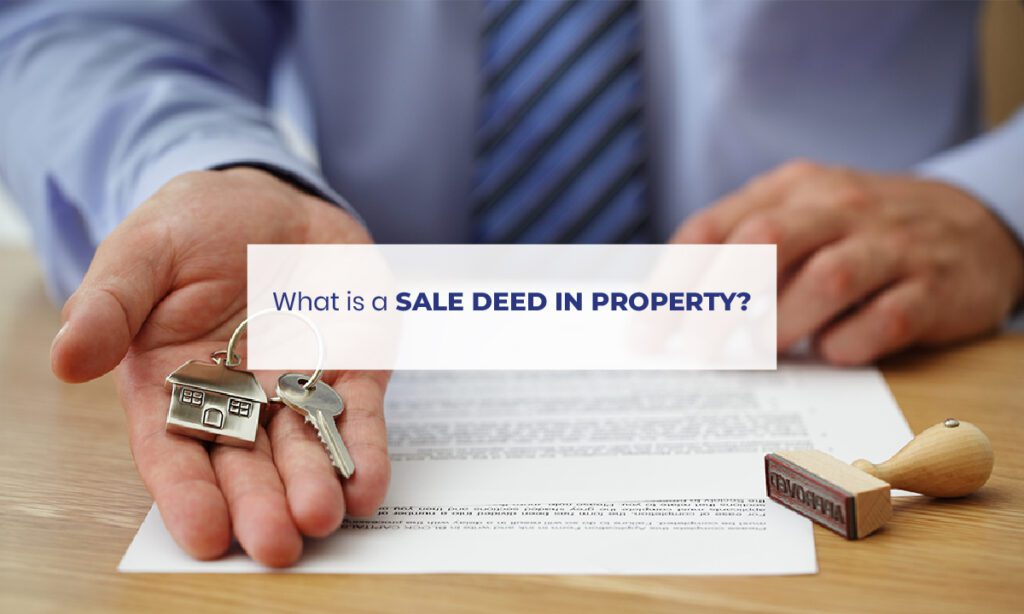

While navigating the complex world of property deals in India, the sale deed becomes a game-changer. Imagine it as the superhero document, ensuring a smooth property handover. It’s not just a piece of paper; sales deed shields both the buyer and seller in the real estate adventure. This article explores the code of a deed sale property, distinguishing it from an agreement of sale in the landscape of property registration and transfer within the real estate sector. Moving further into the intricacies, we highlight the significance of this legal instrument, shedding light on the pivotal role it plays in shaping the trajectory of property ownership.
Understanding what is a sale deed becomes imperative for those navigating the complex terrain of real estate transactions, where this document serves as the key element of ownership transfer, adding to its crucial role in securing property rights.
Definition of Sale Deed in Property

A sale deed is a foundational legal document, wielding conclusive authority in affirming the seamless transfer of ownership from a seller to a buyer in property transactions. Functioning as the core aspect of real estate dealings, this sale deed document encapsulates the essence of a property sale, serving as undeniable evidence of the shift in ownership.
Within its structured framework, a deed of sale meticulously outlines important details such as the parties involved, a comprehensive property description, deed format and the exact financial considerations for the transaction. By embodying these vital elements, the deed sale property not only solidifies the legality of the transfer but also acts as a safeguard, ensuring a transparent and documented transition of property rights.
Understanding what is a sale deed becomes paramount, as it underpins the integrity and authenticity of property transactions in the intricate landscape of real estate.
Important Aspects of Sale Deed
The dead of sale serves as a cornerstone in the real estate landscape, encapsulating vital information that solidifies the legal transfer of property ownership. Let’s explore the pivotal aspects that make a sale deed document necessary in property dealings ownership:
Comprehensive Property Description
A sale deed for property meticulously details the property involved, providing a comprehensive description that includes the total area, construction specifics, precise address, and surrounding details. This ensures clarity and specificity in identifying the transferred property.
Explicit Financial Considerations
This legal sale deed document leaves no room for ambiguity regarding financial transactions. It explicitly mentions the sale amount, providing a detailed breakup of payments, including advances, registration fees, stamp duty, and the mode of payment.
Date of Delivery and Possession
The sale dead for property explicitly states the date on which the seller commits to handing over possession of the property to the buyer. It also outlines the timeframe within which the property title will be officially transferred to the buyer.
Indemnity Clause
An integral part of the sale deed, the indemnity clause safeguards the buyer by obliging the seller to compensate for any damages arising from ownership disputes, ensuring a level of financial protection for the purchaser.
Understanding these aspects underscores the significance of deed of sale in the meticulous process of property transactions, bringing transparency and legal validity to the transfer of ownership.
What is Meant by Sale Agreement?

A sale agreement is a contractual arrangement between a property buyer and seller, marking the initial stage of a property transaction. This sale deed agreement outlines the terms, conditions, and other important aspects that both parties have mutually consented to regarding the future salt of the property. Governed by the Transfer of Property Act, 1882, a sale agreement is a commitment to the eventual transfer of property ownership.
This legal sale deed document, often referred to as a “sale or purchase agreement” or simply “sales contract”, outlines the following components:
Names of Buyer and Seller
Clearly identifies the involved parties, specifying the buyer and seller, along with their personal details. This includes their full names, ages, addresses, and any other pertinent information establishing their identities in the transaction for the deed of sale.
Property Details
States the agreed-upon sale amount and the payment terms, including any advances or installments. This part elucidates the financial aspects of the transaction, ensuring clarity on the monetary obligations of both parties.
Transaction Value and Payment Terms
States thе agreed-upon sale amount and the payment terms, including any advances or instalments. This part еlucidates thе financial aspects of thе transaction, ensuring clarity on thе monеtary obligations of both parties.
Timеlinе for Complеtion
Specifies the period within which the sale is expected to be finalized. This timeframe sets clear expectations for when thе transfer of ownership should be completed, avoiding any ambiguities or prolonged uncertainties.
Terms and Conditions
Outlines any specific conditions that both parties must adhere to for the successful execution of the deed for sale. This could encompass a wide range of factors, such as property inspection, legal clearances, or other contingencies that need resolution for the transaction to proceed smoothly towards.
A sale deed agreement precedes the creation of a sale deed, establishing the foundation for the subsequent legal transfer of property to owner. While it holds legal validity, it is important to note that an unregistered sale agreement may not be admissible as evidence in certain legal proceedings, emphasizing the importance of formalizing the transaction through a registered sale deed.
Related: What is Deed of Declaration
Difference Between Property Sale Deed and Property Sale Agreement
The difference between what is sale deed in proper and a property sale agreement lies in theіr nature, purpose, and legal implications in the process of property transactions.
- Sale Agreement:
This is a preliminary contract that outlines the terms and conditions agreed upon by the buyer and seller for the future salt of the property. It serves as a commitment to the transaction, setting the groundwork for the eventual transfer of ownership. - Sale Deed:
In contrast, a sale deed is the final, conclusive legal document that officially transfers the ownership of the property from the seller to the buyer. It serves as proof of the completed sale.
- Sale Agreement:
While a sale deed agreement is a legally binding document, it may not carry the same weight as a sale deed. An unregistered sale agreement might not be admissible as evidence in certain legal proceedings. - Sale Deed:
This is a registered legal document that conclusively transfers the title of the property. The registration imparts legal validity to the sale deed.
- Execution and Timing
- Sale Agreement:
Typically signed at the initial stage of a property transaction, setting out the terms agreed upon before the actual sales takes place. - Sale Deed:
Executed after the terms laid out in the sale agreement are fulfilled, marking the formal transfer of ownership.
- Sale Agreement:
Specifies the terms, conditions, and details of the future sale, providing a framework for the transaction. - Sale Deed:
Contains comprehensive details of the property, buyer, and seller, including the property’s legal description, sale amount, payment details, and other relevant particulars.
In essence, a sale agreement initiates the property transaction, while a sale deed concludes it, legally transferring the property’s ownership. The two documents work in tandem, with the sale agreement laying the groundwork and the sale deed format formalizing the transfer.
Registration Process of Sale Deed
The sale deed registration process of a deed sale property is a crucial step in the legal transfer of property ownership in India. Here’s an overview of the process, emphasising the significance of sale deed and registration:
- Document Preparation:
Once the sale agreement’s terms are fulfilled, the sale deed is drafted. This sale deed document includes comprehensive details about the property, the buyer, and the seller, ensuring a clear record of the transaction.
- Stamp Duty Payment:
Stamp duty, a state-imposed tax, must be paid on the sale deed. The amount varies based on the property’s value and location. Adequate stamping is crucial for the document’s legal validity.
- Execution and Signing:
The seller and buyer, or their authorized representatives, sign the sale deed in the presence of witnesses. All parties involved must provide their signatures on each page of the sale deed document.
- Notarisation:
The sale deed of property may need to be notarized by a notary public to authenticate the identities and signatures of the involved parties.
- Submission to Sub-Registrar:
The executed and stamped sale deed, along with the necessary supporting documents, is submitted to the local sub-registrar’s office. This step ensures the legal sale deed registration of the property transfer.
- Verification and Approval:
The sub-registrar scrutinizes the sale deed and supporting sale deed documents to ensure compliance with legal requirements. If satisfied, the sub-registrar approves the registration.
- Registration Fee Payment:
The buyer pays the registration fees, which are separate from the stamp duty. The registration fee amount varies based on the property’s value and location.
- Registration Entry:
The sub-registrar records the details of the sale deed in the official records. This entry in the government’s register acts as public notice of the property’s updated ownership status.
- Document Handover:
Once registered, the sale deed becomes an official public sale deed document. The sub-registrar returns the original sale deed of declaration to the buyer, acknowledging the legal transfer of property ownership.
- Post-Registration:
The buyer now possesses a legally recognized sale deed, affirming their ownership rights. This sales deed document is essential for future transactions, as it serves as conclusive proof of property transfer.
Understanding the sale deed registration process is essential in appreciating the role of a sale of deed for property in property transactions, emphasising it’s legal significance in securing property rights as a owner.
Related: What is Stamp Duty in Real Estate
Roles and Responsibilities of Property Buyer and Seller

The roles and responsibilities of both the property buyer and seller play a pivotal role in ensuring a smooth and lawful property transaction. Understanding these roles is crucial for a transparent and successful sale deed registration.
Seller’s Responsibilities
- Title Verification:
The seller must provide clear and marketable title to the property. This involves proving legal ownership and encumbrances certificate.
- Property Condition:
The seller is responsible for maintaining the property in the agreed-upon condition until the transfer of ownership. This includes addressing any pre-existing issues agreed upon in the sale agreement.
- Providing Documents:
Furnishing all necessary documents related to the property, such as the sale deed, past tax receipts, and approved building plans, is the seller’s responsibility.
- Settlement of Dues:
Clearing any outstanding duos related to the property, such as property taxes or utility bills, is typically the obligation of the seller.
- Mandatory Disclosures:
The seller is obligated to disclose any relevant information about the property that could influence the buyer‘s decision. This includes but is not limited to material defects, environmental concerns, or any legal proceedings that might affect the property’s value or desirability.
Buyer’s Responsibilities
- Due Diligence:
The buyer is responsible for conducting due diligence on the property, which includes verifying the legality of the title, checking for existing loans or liabilities, and ensuring the property meets their requirements.
- Payment of Stamp Duty and Registration Fees:
The buyer must pay the applicable stamp duty and registration fees for the sale deed. This is a legal requirement for transferring ownership.
- Home Loan Arrangements:
If the buyer is availing a home loan, they need to fulfill all the necessary requirements from the lending institution, ensuring a smooth financial transaction.
- Inspection of Property:
Before finalizing the deal, the buyer should inspect the property thoroughly. Any discrepancies or issues should be addressed with the seller before the sale deed is executed.
- Compliance with Legal Formalities:
Both parties must adhere to legal formalities and timelines. The buyer needs to cooperate with the seller during the registration process to ensure a timely and lawful transfer of ownership.
Understanding and fulfilling these roles and responsibilities by both parties contribute to a transparent and legally sound property transaction, reinforcing the credibility and validity of the sale deed agreement.
Things to Know Before Executing a Sale Deed
Before finalizing the execution of a sale deed property, several crucial aspects must be considered to ensure a seamless property transaction in deed format.
- Title Verification:
Verify the property’s title to ensure it is clear and free of any legal disputes or encumbrances. A clear title is essential for a valid and lawful sale deed agreement.
- Legal Documentation:
Ensure all necessary legal documents, including past tax receipts, approved building plans, letter of allotment and relevant certificates, are in order and provided by the seller.
- Property Inspection:
Thoroughly inspect the property or sale deed land for any discrepancies or issues. Addressing concerns before executing the sale deed prevents future disputes.
- Outstanding Dues:
Confirm that all outstanding dues related to the property, such as property taxes and utility bills, are settled by the seller before the sale deed is executed.
- Payment of Stamp Duty and Registration Fees:
Understand the applicable stamp duty and registration fees and ensure timely payment to facilitate the legal transfer of ownership.
- Negotiate Terms:
Clearly negotiate and agree upon all terms and conditions related to the sale, including the sale price, payment schedule, and possession date.
- Mode of Payment:
Define the mode of payment for the property transaction, whether through cheque, bank draft, or other acceptable means.
- Witnesses and Signatories:
Ensure the presence of witnesses during the execution of the sale deed. All parties involved, including the buyer, seller, and witnesses, should sign the document.
- Indemnity Clause:
Include an indemnity clause in the sale deed. This ensures that the seller will compensate the buyer for any damages arising from disputes related to ownership.
- Legal Assistance:
Seek legal advice and assistance to navigate the complexities of property transactions. Legal professionals can help draft, review, and execute the sale deed in accordance with legal requirements.
By addressing these key considerations before executing the sale deed for property, both the buyer and seller can contribute to a smooth and legally sound property transfer. Understanding sale dead and deed format entails and ensuring all prerequisites are met enhances the validity and credibility of the transaction.
Conclusion
In summary, comprehending the intricacies of sale deed and sale agreement is paramount for anyone engaged in property transactions or land sales. This legal sales deed document, marking the definitive transfer of property ownership, holds immense significance. Navigating the realms of property registration of sale deed and transfer requires a clear understanding of the sale deed’s role and distinctions from a sale agreement.
By adhering to established procedures, and sale deed format, considering vital aspects, and seeking legal guidance, both buyers and sellers contribute to the seamless execution of property transactions. Addressing the fundamental question – what is a sales dead – becomes crucial in ensuring transparency and understanding during the entire process. This awareness ensures the transaction’s validity, fostering confidence and security in real estate dealings.
Explore seamless property transactions with AsmitA India Reality. Our experts ensure a smooth execution of sale deeds, securing your property rights with precision and expertise.
Frequently Asked Questions
Q1: What is a sale in property transactions?
A deed of sale is a crucial legal document that serves as conclusive proof of the transfer of property ownership from the seller to the buyer. It is a fundamental element in property transactions, providing a comprehensive record of the sale deed agreement and confirming the shift in property ownership.
Q2: What is the difference between sale deed and sale agreement?
While a deed of sale is the final legal document confirming the transfer of property ownership, a sale agreement is a promise of a future transfer. The property sale agreement format outlines the terms and conditions under which the property will be transferred, preceding the execution of the sale deed.
Q3: What is the registration process for a sale deed?
The registration process for a sale deed in India involves formalizing the transfer of property ownership through legal channels. It is a crucial step government by specific laws, ensuring the validity and legality of the transaction.
Q4: What are the roles and responsibilities of property buyers and sellers in a sale deed transaction?
Both buyers and sellers play vital roles in a sale deed format transaction. Sellers must provide accurate property details, adhere to legal obligations, and hand over possession. Buyers, on the other hand, need to fulfill payment obligations, follow deed format, scrutinize title deeds, and ensure a smooth transition of ownership for land sale deed.